-
-
-
-
- Pichia 2026
- Future Labs Live 2026
- BioProScale Sympposium 2026
- ASGCT 2026
- Eppendorf Automation Forum 2026
- ECB 2026
- WoTS 2026
- ELRIG Drug Discovery 2026
- 75th JAMT Congress & IFBLS2026
- JASIS2026
- GSCN 2026
- BPI EAST 2026
- Bioprocess Days 2026
- Bioprocess Day 2026, Texas, USA
- Bioprocess Day 2026, Philadelphia, USA
- Cell 2026

-
-
-
-
- Pichia 2026
- Future Labs Live 2026
- BioProScale Sympposium 2026
- ASGCT 2026
- Eppendorf Automation Forum 2026
- ECB 2026
- WoTS 2026
- ELRIG Drug Discovery 2026
- 75th JAMT Congress & IFBLS2026
- JASIS2026
- GSCN 2026
- BPI EAST 2026
- Bioprocess Days 2026
- Bioprocess Day 2026, Texas, USA
- Bioprocess Day 2026, Philadelphia, USA
- Cell 2026
-
- All Pipettes, Dispensers & Automated Liquid Handlers
- All Micropipettes
- Mechanical Pipettes
- Electronic Pipettes
- Multi-Channel Pipettes
- Positive Displacement Pipettes & Dispensers
- Bottle-Top Dispensers
- Pipette Controllers
- Dispenser & Pipette Accessories
- Automated Pipetting
- Automation Consumables
- Automation Accessories
- Liquid Handler & Pipette Services
- Home
- Company & Careers
- About us
- History
History of Eppendorf
Read more
Read less
Eppendorf Milestones – 1945 to Today
Read more
Expert and Advisor
Our vision: Eppendorf operates as a leading company in the areas of liquid handling and sample handling, defined by excellence and responsibility. We empower scientists to create a sustainable world and a livable future through faster, meaningful discoveries.
Read more
Videos not loading, because cookies have been rejected. Change your
A Research‑Based Journey through our Corporate History
Read more
Eppendorf’s Enduring Success Through the Decades
Read more
1945 – 1964
1945: Company Founding
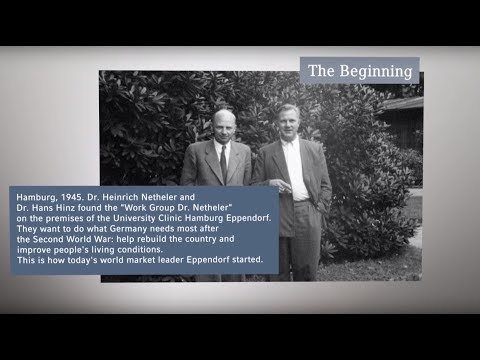
Hamburg, Germany, 1945. On the grounds of the University Hospital Eppendorf, Dr. Heinrich Netheler and Dr. Hans Hinz establish “Elektromedizinische Werkstätten GmbH.” Their mission is to do what Germany needs most after World War II: contribute to reconstruction and improve human living conditions. With this goal in mind, the story of today’s global market leader Eppendorf begins.

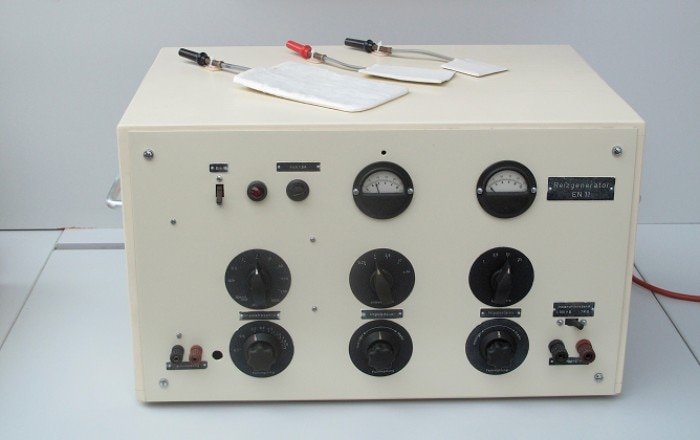
1946: Electrical Stimulator
The development of the electrical stimulator marks major progress for neurophysiological research as well as medical diagnostics and therapy.
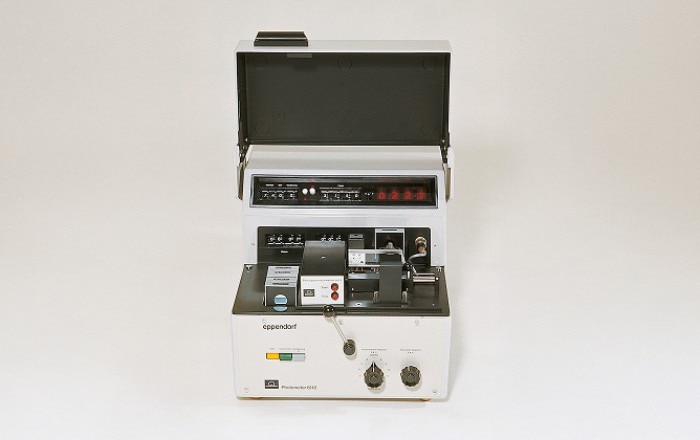
1950: Eppendorf Photometer
At the request of clinical users and in collaboration with Professor Theodor Bücher, the Eppendorf Photometer is developed. Using spectral line principles, it enables routine photometric applications in the lab. Especially in the UV range, it paves the way for enzyme diagnostics.
1961: Eppendorf Develops the Microliter System
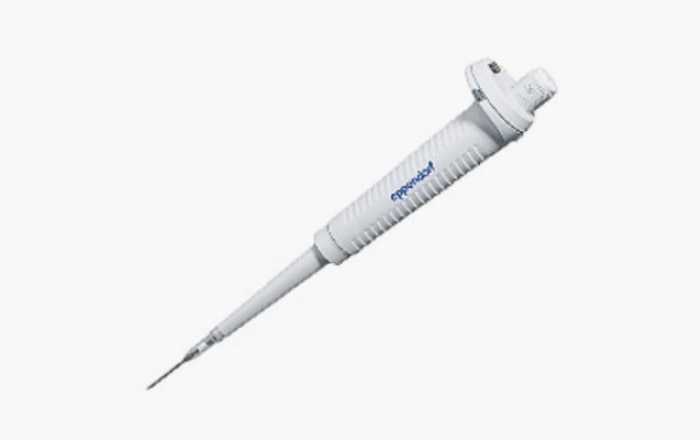
Previously, scientists laboriously drew samples into glass capillaries by mouth – until Eppendorf introduced a revolutionary invention in 1961: the first piston stroke pipette. This microliter pipette, along with centrifuges, mixers, thermostats, and high-quality consumables developed in subsequent years, formed the complete Eppendorf Microliter System.
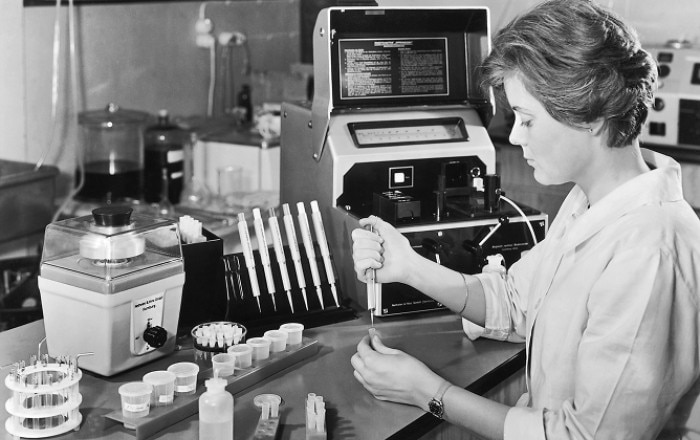
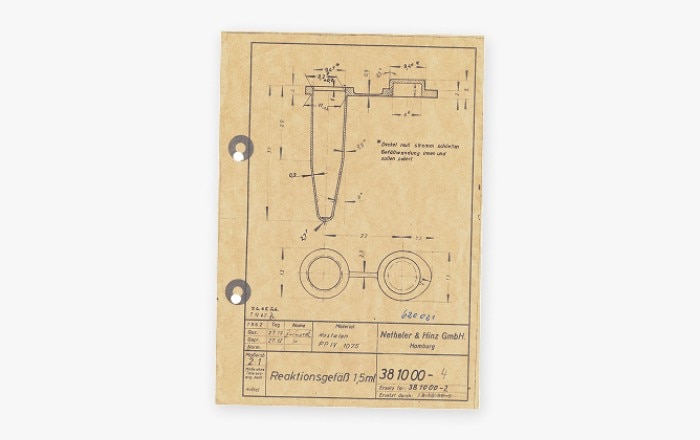
1963: The First “Eppi® ”
The first Eppendorf Tubes® enter the market and quickly gain popularity in medical and scientific labs across Germany. With “Eppis® ,” researchers can conveniently fill and store small sample volumes.
Learn more
1965 – 1984
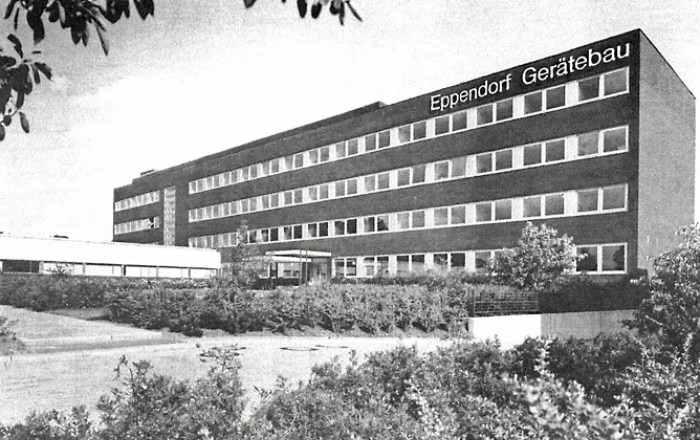
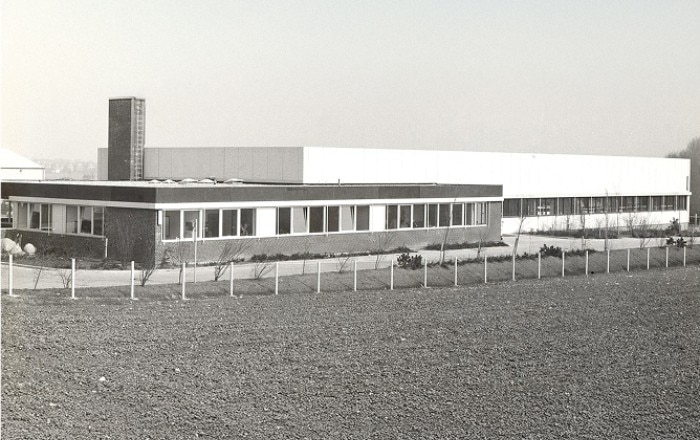
1965: Construction of Corporate Headquarters
Eppendorf begins building its headquarters on Barkhausenweg in Hamburg, Germany. Today, the site includes ten production halls and office buildings, a training center, and a company run childcare facility.
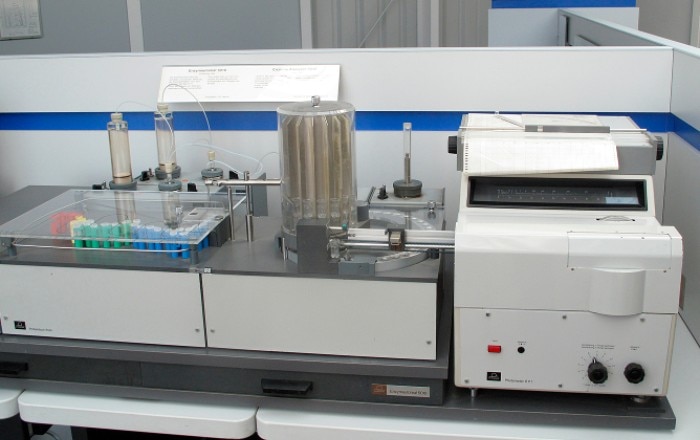
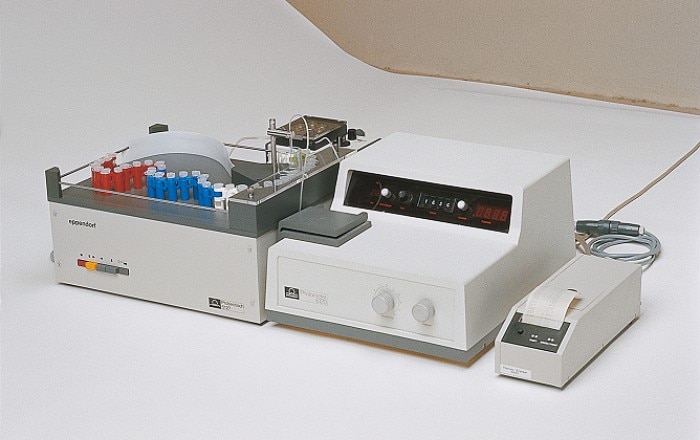
1969: Automated Analyzer
Meeting the demand for processing more samples faster, Eppendorf develops the 5010 automated analyzer. Newly designed chain links feed samples automatically. The device allows rapid and precise enzyme activity measurements – processing seven times as many samples as manual testing.
1974: We at Eppendorf
Read more
1975: New Consumables Production Facility
A new factory in Oldenburg, Germany, (federal state Schleswig-Holstein) is inaugurated, producing high-quality consumables in cleanroom conditions. Today, the site manufactures well over two billion single use plastic items annually.
1977: Microprocessor Controlled Photometer
Eppendorf has become one of the first manufacturers to integrate microprocessor technology into analytical systems. Pictured here: the PCP 6121 programmable photometer.
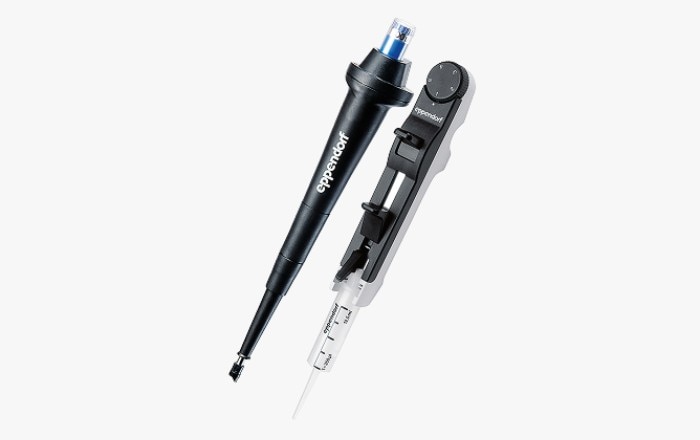
1978: Manual Hand Dispenser
Eppendorf introduces the Multipette® 4780, one of its most successful products to this day. The manual dispenser accurately dispenses liquids repeatedly in predefined volumes. The Multipette® system with Combitips remains a global leader in manual dispensing.
1984: Quality Prevails
Read more
1985 – 1999
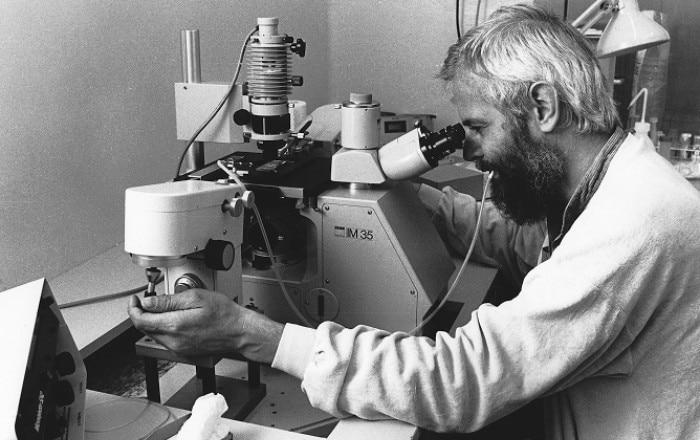
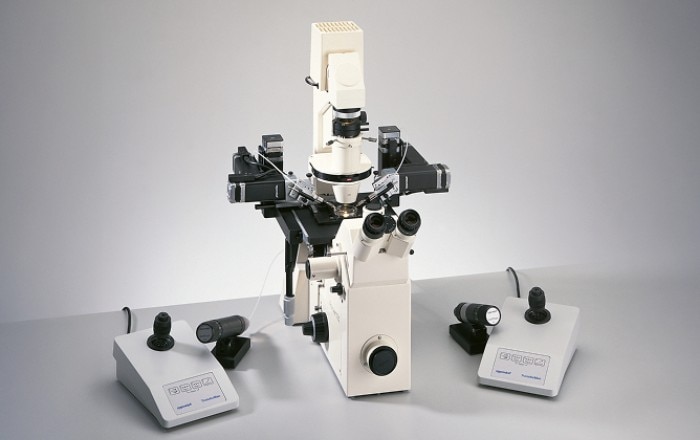
1985: Cell Injection
Injecting liquids into individual cells turns the cell itself into a reaction vessel. Eppendorf develops the Microinjector for this purpose. Pictured here: Nobel Prize laureate Prof. Georges Köhler using his Eppendorf cell injection workstation.
1991: Contamination Free Pipetting
The Eppendorf Biomaster® and Mastertips® eliminate aerosol formation – critical for applications like nucleic acid amplification.
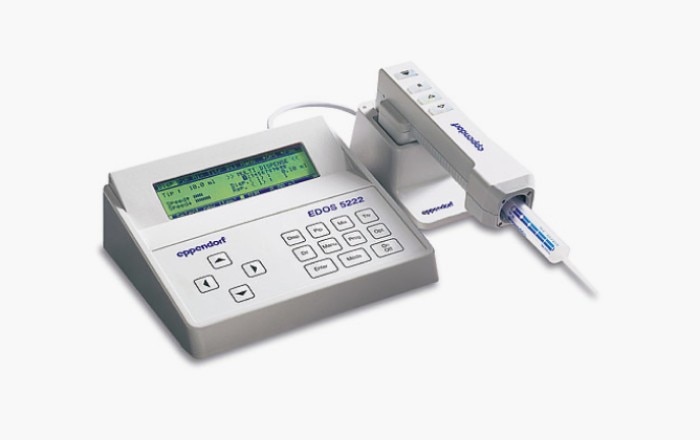
1993: Electronic Dispensing System
The EDOS® 5222 dispensing system offers exceptional versatility and high performance for liquid dosing in the lab.
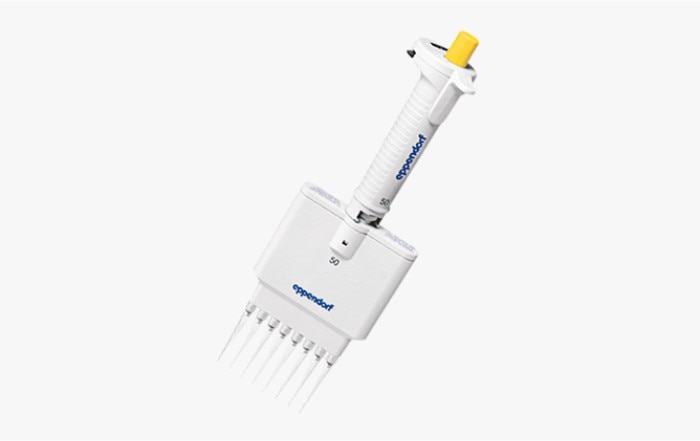
1994: Manual Multichannel Pipettes
The Titerman pipette is designed for high-throughput work. With a single movement, it can switch between 8 and 12channel formats.
1995: Eppendorf Award for Young European Investigators
Since 1995, Eppendorf has awarded the €15,000 prize annually to recognize outstanding work and novel analytical concepts in molecular biology.
Learn More

1996: Microinjectors
The manual CellTram Air and CellTram Oil microinjectors are optimized for ergonomics, ease of use, and precision in pressure control, microinjection, and liquid dispensing.
1997: International Expansion
Read more
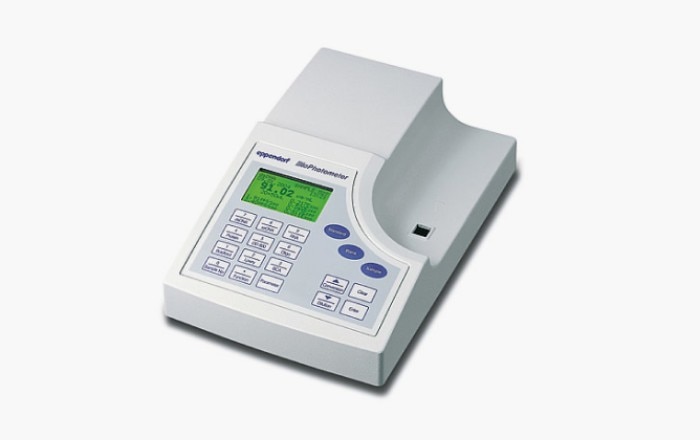
1998: BioPhotometer
The Eppendorf BioPhotometer becomes a compact tool for quick, reliable quantification of ds/ssDNA, RNA, oligonucleotides, proteins, and bacterial cell density.
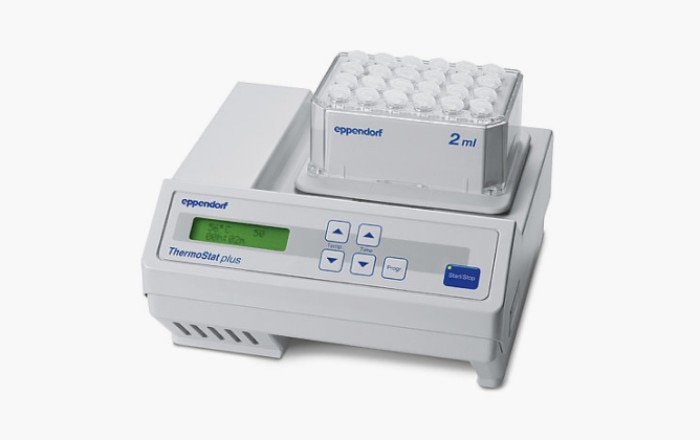
1999: Precise Temperature Control
ThermoStat plus: Eppendorf introduces a compact benchtop thermostat with Peltier technology for convenient temperature control of commonly used lab vessels.
2000 – 2009
2000: Eppendorf Becomes a Stock Corporation
Read more
2001: Nucleic Acid Purification
The Perfectprep Gel Cleanup Kit is developed for dsDNA fragment purification from various agarose gels and reaction mixtures.

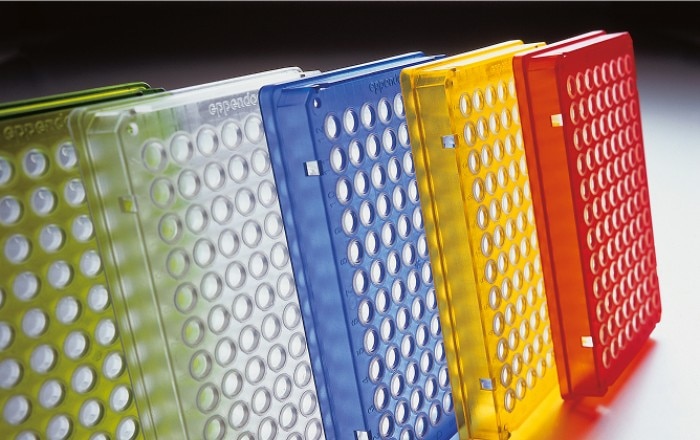
2002: PCR Plates
Innovative PCR plates made from a polycarbonate polypropylene combination provide optimal performance.
2002: Eppendorf & Science® Prize for Neurobiology
Since 2002, Eppendorf, together with the magazine Science® , has awarded the Eppendorf & Science® Prize for Neurobiology, which is endowed with 25,000 US dollars. The prize is intended to support the work of promising young neurobiologists who are no older than 35 years.
Learn more

2003: PhysioCare Concept
The purpose to help improve human living conditions leads to many technical innovations. Since 2003, the PhysioCare Concept has contributed to improving working conditions in the laboratory. All products bearing the PhysioCare logo are developed with ergonomic considerations and guarantee users a comfortable and stress-free working experience.
2004: Eppendorf Tubes LoBind
LoBind Tubes: With this newly developed type of vessel, Eppendorf offers users, for the first time, worry-free handling of the smallest amounts of DNA and a wide variety of proteins.Form
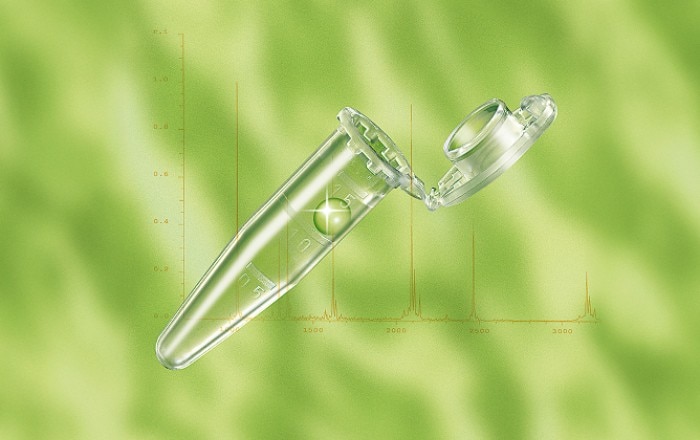
2006: Electronic Dispensing
The Multipette® stream and Multipette® Xstream become the first electronic hand dispensers, combining ease of use with extensive functionality.
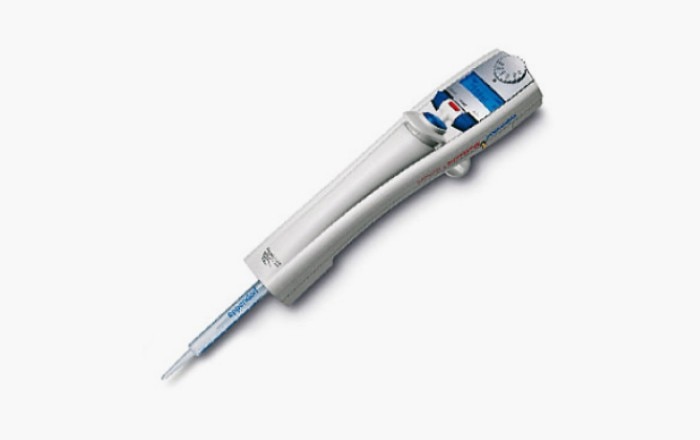
2007: New Brunswick
Since 2007, New Brunswick has been part of the Eppendorf Group, enriching the portfolio with a wide range of high-quality laboratory instruments. New Brunswick produces innovative devices for the cultivation, detection, and storage of bacterial cultures. Known for their reliable operation, New Brunswick products are used in a broad spectrum of research and commercial applications, ranging from biomedicine and environmental and food industries to the cosmetics industry.
2001: Nucleic Acid Purification
In 2009, Eppendorf launched the epGreen initiative. The aim is to develop strategies to further minimize environmental impacts during the manufacturing and use of Eppendorf products. These efforts cover the entire product life cycle: from development, production, and shipping to use and maintenance, all the way through to the disposal of old equipment.

2010 – 2019
2012: DASGIP
DASGIP becomes part of Eppendorf. DASGIP’s parallel bioreactor systems and comprehensive software solutions expand Eppendorf’s New Brunswick product lines.
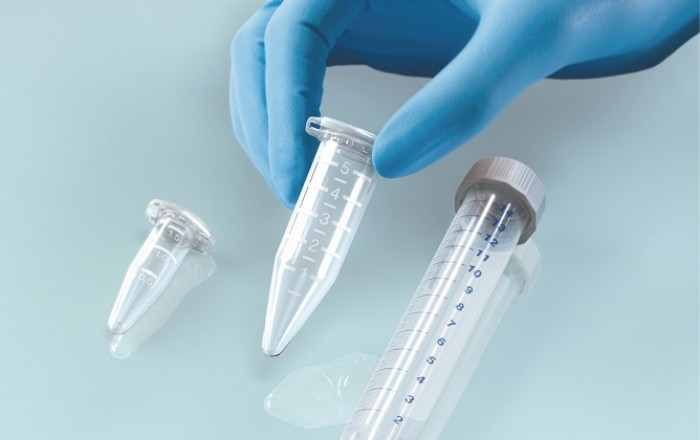
2013: Eppendorf Tube 5.0 mL
The 5.0 mL tube and its matching system of adapters, rotors, racks, and accessories are introduced.
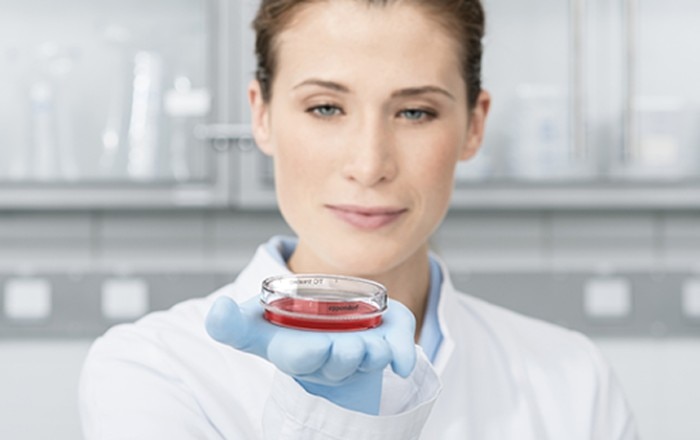
2014: Cell Culture Consumables
This new product line focuses on excellent cell growth and maximum contamination protection.
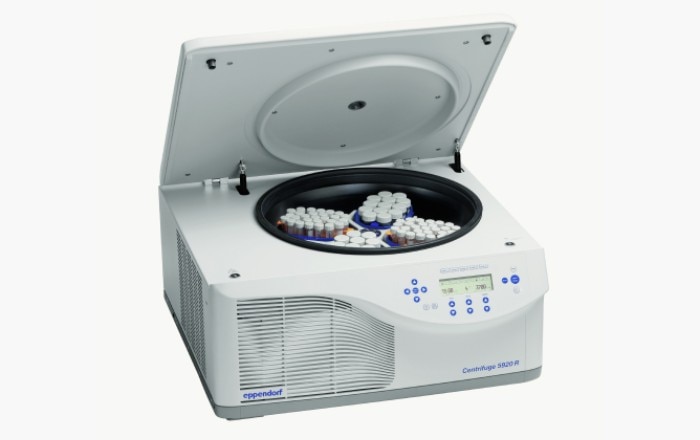
2015: Centrifuge 5920 R
Eppendorf expands its product line strategically with its first 4liter centrifuge.
2017: VisioNize®
A major step in digitalization: VisioNize® enables scientists to monitor and centrally manage a wide range of Eppendorf instruments.

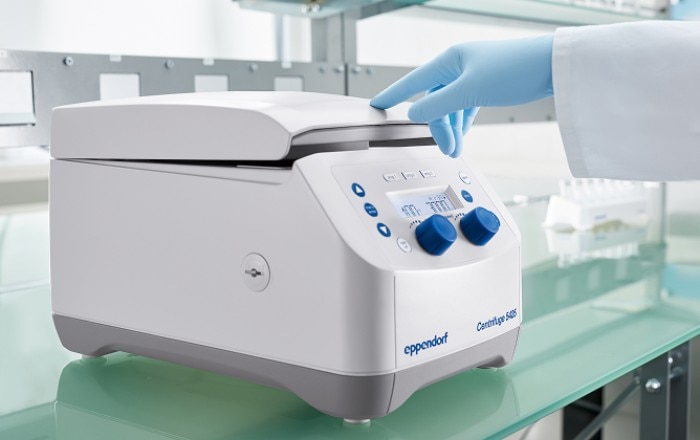
2019: Zentrifuge 5425
Eppendorf sets the “gold standard” for molecular biology applications with this new centrifuge.
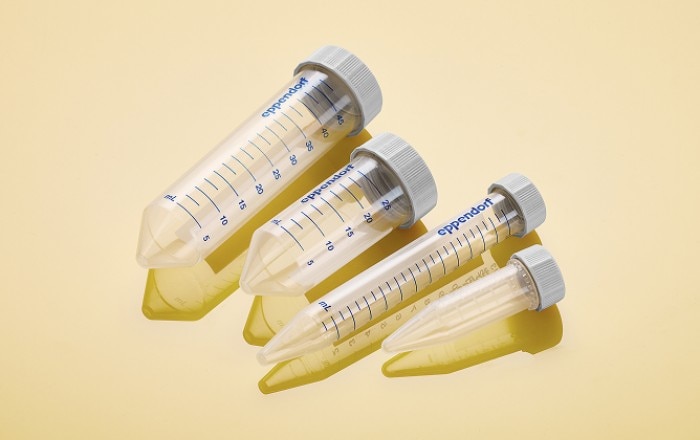
2019: Eppendorf Conical Tubes® 25 mL
Their most innovative feature is the patented SnapTec® cap, unique among conical tubes.
2020 - Today
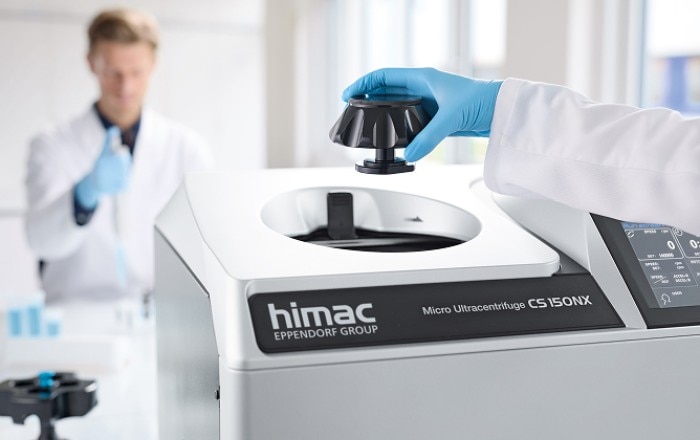
2020: Acquisition of Koki Holdings Co., Ltd. Centrifuge Business (Himac)
Eppendorf significantly expands its centrifuge portfolio, offering everything from benchtop to floor standing and highspeed centrifuges, including automated systems.
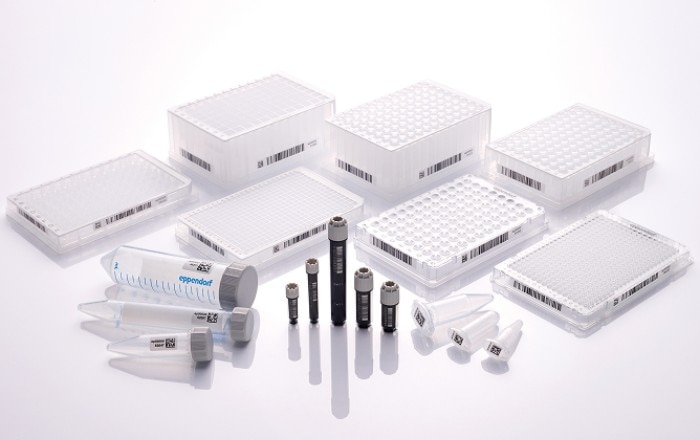
2020: SafeCode System
The new SafeCode system enables secure sample tracking from preparation to long-term ULT freezer storage.
2021: Transformation into Eppendorf SE
2021: Revenue Exceeds €1 Billion
For the first time in company history, Eppendorf surpasses €1 billion in annual revenue. Read more
2022: BioBased Tubes
The new tube generation is made from 90% renewable, biobased raw materials, such as recycled cooking oil waste and residues.
Learn more
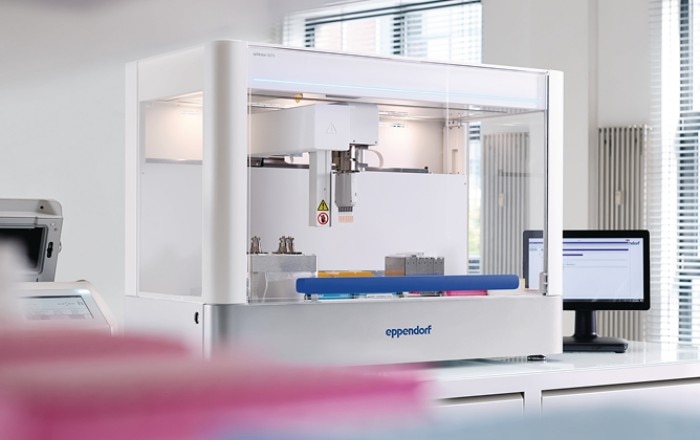
2023: New Design epMotion® 5075
The epMotion® 5075 becomes the first product introduced in Eppendorf’s new design language.
Learn more
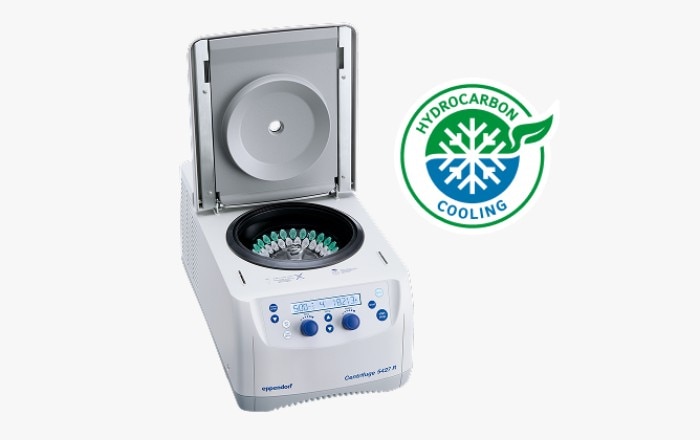
2023: Centrifuge 5427R with Green Refrigerant
The world’s first centrifuge with a sustainable refrigerant: These green refrigerants offer the same performance as the previous, environmentally harmful refrigerants, but have a significantly better environmental footprint.
Learn more
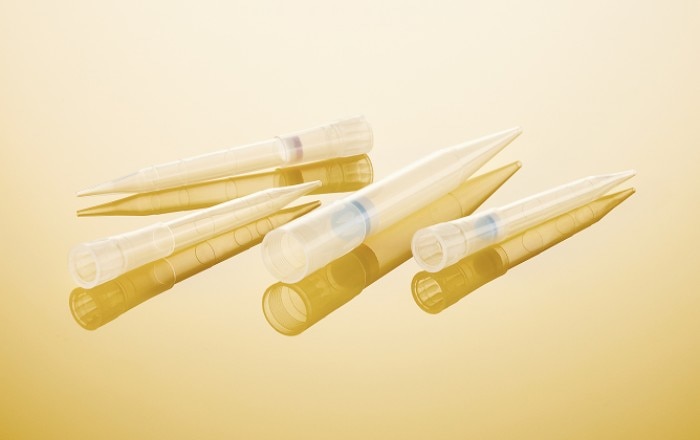
2023: BioBased Pipette Tips
The new tube generation is made from 90% renewable, biobased raw materials, such as recycled cooking oil waste and residues.
Learn more
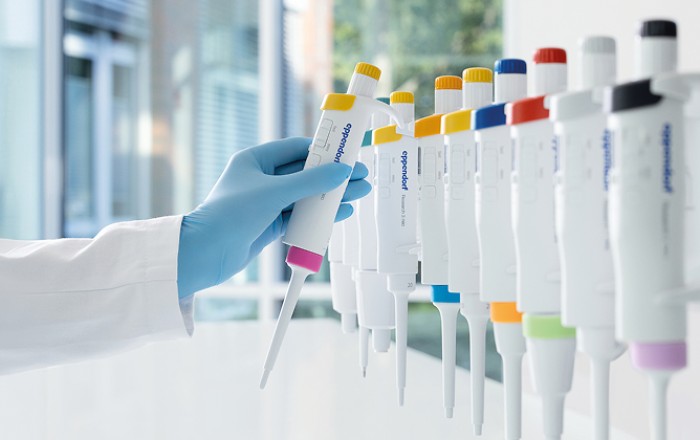
2025: Eppendorf Research® 3 neo
The next generation of pipettes sets new standards in the lab – ergonomic, reliable, customizable, and faster, meeting evolving customer needs.
Learn more
2026: SpinPro® 6 R
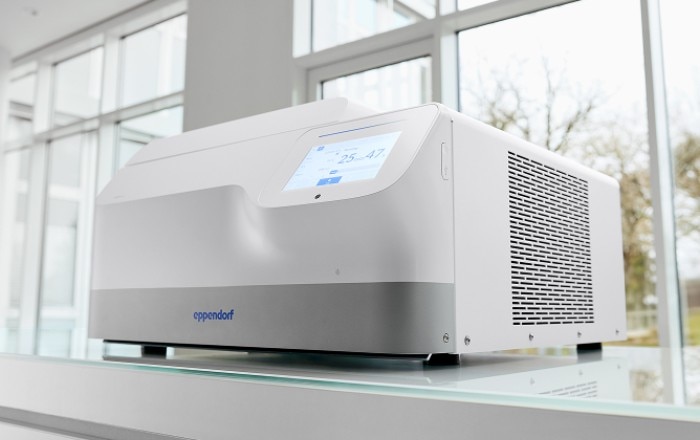
The SpinPro® 6 R centrifuge, the first in Eppendorf’s new range of SpinPro® floor standing and benchtop centrifuges. With an advanced user-interface and ergonomic operation, the SpinPro® 6 R provides a flexible, and scalable solution for sample separation.
Learn more