
-
- All Pipettes, Dispensers & Automated Liquid Handlers
- All Micropipettes
- Mechanical Pipettes
- Electronic Pipettes
- Multi-Channel Pipettes
- Positive Displacement Pipettes & Dispensers
- Bottle-Top Dispensers
- Pipette Controllers
- Dispenser & Pipette Accessories
- Automated Pipetting
- Automation Consumables
- Automation Accessories
- Liquid Handler & Pipette Services
- Home
- Lab Academy
- Training & Education
- Webinars
- Cell Culture Pros Teach Me In 10
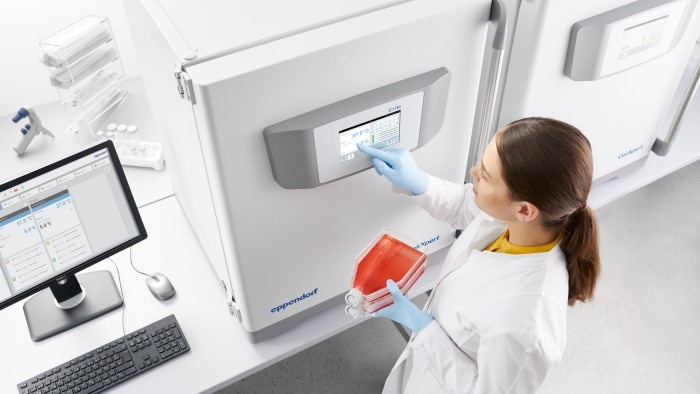
Cell Culture for Pros: Teach Me in 10 Mini-series
Webinars
- Cell Handling
- Recorded Webinars
Learn how to reduce variability in cell-based assays, prevent contamination from pipetting aerosols, and implement best practices for reproducible results. Explore sustainable lab solutions, including biobased and recyclable plastic alternatives, and discover how to reduce your environmental footprint.
Gain insights into scalable bioprocessing strategies that support the growth of Cell and Gene Therapy, from R&D to clinical manufacturing.
Each session offers practical tools and expert guidance to elevate your lab’s performance, safety, and sustainability.
Read more
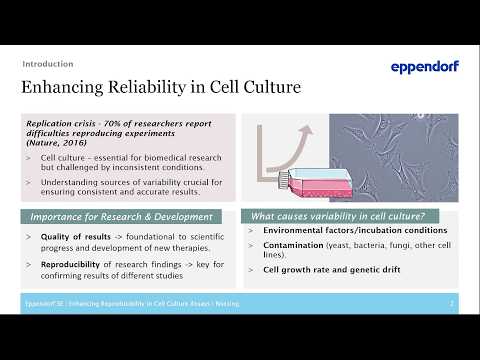
Enhancing Reproducibility in Cell Culture Assays
Topics covered:
- Replication crisis
- Environmental control and incubation conditions
- Cell culture contaminants
- Optimal cell passaging
- Genetic drift
Speaker:
Dr. Simone Nüssing, Global Field Application Specialist Eppendorf Read more
Videos not loading, because cookies have been rejected. Change your
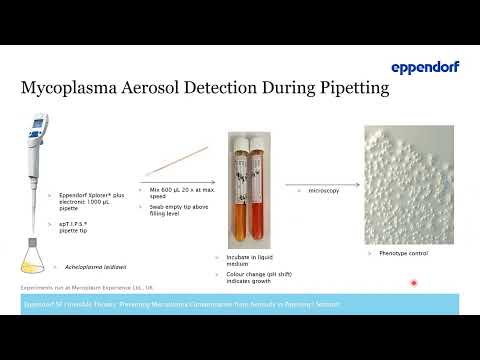
Invisible Threats: Preventing Mycoplasma Contamination from Aerosols in Pipetting
Topics covered:
- Mycoplasma threat to your cells
- Aerosol formation during pipetting
- Mycoplasma detection during pipetting
- Advantages of filter tips in pipetting
Speaker:
Dr. Jana Schmidt; Senior Application Specialist Eppendorf Read more
Videos not loading, because cookies have been rejected. Change your
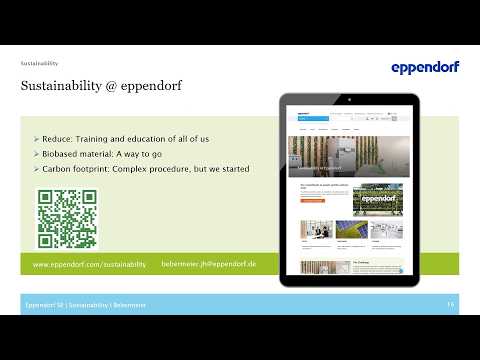
How to Make Your Cell Culture Lab More Sustainable
Sustainability becomes more and more important. Wherever the topic of sustainability emerges in the scientific community, there are many aspects to consider. Plastic-based laboratory consumables are mandatory for many steps in the lab: Purity, sterility, ease-of-use, the expectations of the user are high. But plastic provides a severe heritage: Limited oil resources and waste load.
Is plastic really that severe? What is the real carbon impact? Which alternatives like biobased material or recycling material are the right way to go? Discover the options for plastic & sustainability in the lab.
Topics covered:
- How to reduce waste in the lab
- Recycling options
- BioBased consumables
- ACT Label and certification
Speaker:
Dr. Jan-Hendrik Bebermeier; Global Marketing Manager Eppendorf Read more
Videos not loading, because cookies have been rejected. Change your
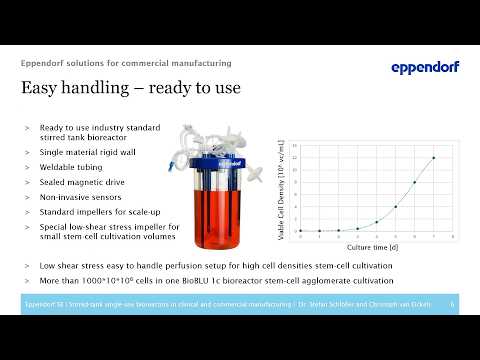
Stirred-Tank Single-Use Bioreactors in Clinical and Commercial Manufacturing
Topics covered:
- Stem cells, viral vectors, immune cells
- Inefficiency of 2D culture for large cell numbers
- Implementation of 3D cell culture
- BioBLU® Single-Use Bioreactors
Speakers:
Christoph van Eickels; Bioprocess Product Lifeczcle Manager EppendorfDr. Stefan Schlösser; Scientific Communications Manager Eppendorf
Read more
Videos not loading, because cookies have been rejected. Change your
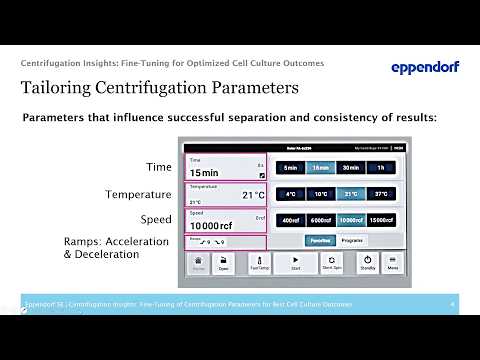
Centrifugation Insights: Fine-Tuning for Optimized Cell Culture Outcomes
Topics covered:
- Effects of centrifugation on cells
- Tailoring centrifugation parameters for cell culture
- Optimization approach
Speakers:
Dr. Kerstin Isermann; Global Field Application Specialist EppendorfNatascha Weiß; Global Field Application Specialist Eppendorf
Read more
Videos not loading, because cookies have been rejected. Change your
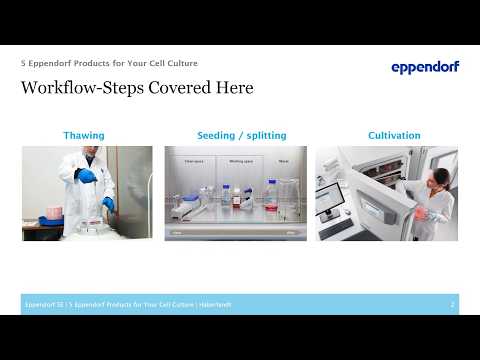
5 Eppendorf Products to Make Your Cell Culture Work Easier
Topics covered:
- Eppendorf ThermoMixer C and SmartBlocks
- Eppendorf Conical Tubes 25 mL
- ep Dualfilter T.I.P.S.® BioBased
- Multipette® M4 and E3/E3X with Combitips® advanced
- CellXpert C170i CO2 Incubator
Speaker:
Dr. Christian Haberlandt; Global Marketing Manager Eppendorf Read more
Videos not loading, because cookies have been rejected. Change your
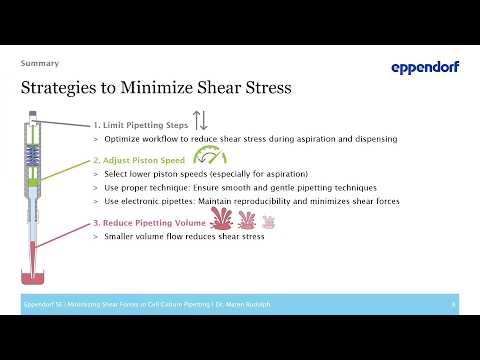
Minimizing Shear Forces in Cell Culture Pipetting
- Download App Note 442 to read all about the influence of different pipetting systems on cell death and proliferation.
- Visit https://www.eppendorf.link/simply-better-pipetting to learn more about Eppendorf electronic pipettes
Topics covered:
- What is Shear Force in liquids?
- Shear Forces in Cell Culture
- Strategies to minimize shear stress
Speaker:
Dr. Maren Rudolph; Global Field Application Specialist EppendorfRead more
Videos not loading, because cookies have been rejected. Change your
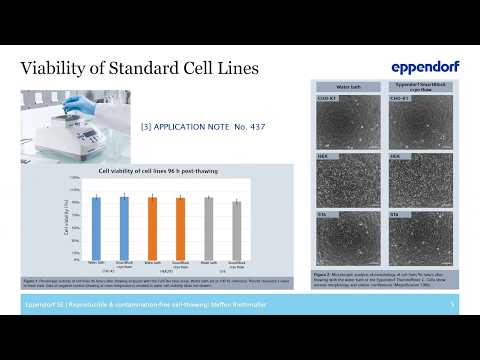
Reproducible & Contamination-Free Cell-Thawing
Topics covered:
- Contamination risks and downsides of other methods
- Thawing of cells with Eppendorf ThermoMixer C
- Viabilities of valuable cell lines
Speaker:
Dr. Steffen Riethmüller; Global Field Application Specialist Eppendorf Read more
Videos not loading, because cookies have been rejected. Change your
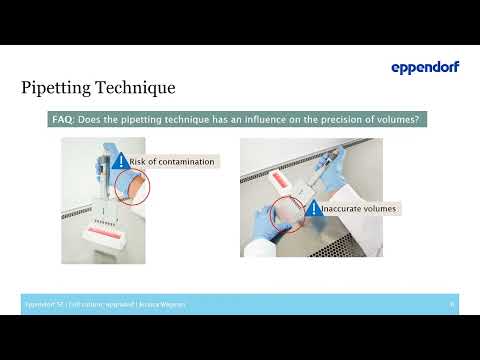
Cell Culture, Upgraded: Automated Pipetting
Topics covered:
- Clean and consistent results of automated liquid handling
- Increased throughput and reproducibility
- Sample security and decreased contamination risks
- Time savings for lab personnel
Speaker:
Dr. Jessica Wagener; Global Field Application Specialist Eppendorf Read more
Videos not loading, because cookies have been rejected. Change your
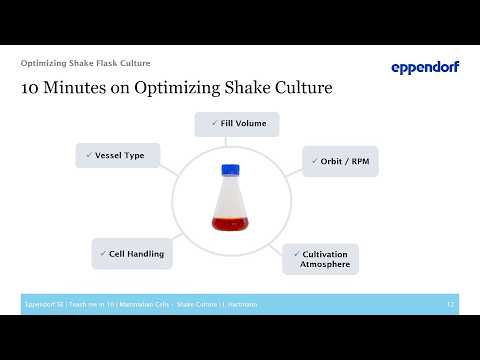
Mammalian Cells — Optimizing Shake Culture
Topics covered:
- How vessel selection influences shake cultures
- How orbit and shaking speed contribute to growth
- The effects of chamber atmosphere of viability and reproducibility
Speaker:
Ines Kristina Hartmann, Global Field Application Specialist EppendorfRead more
Videos not loading, because cookies have been rejected. Change your
Speakers
Dr. Simone Nüssing
Global Field Application Specialist Eppendorf
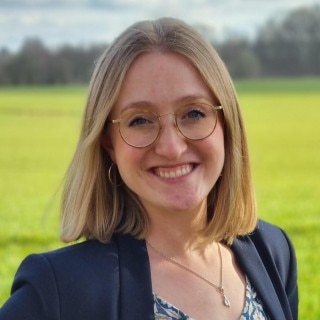
Dr. Jana Schmidt
Senior Application Specialist Eppendorf
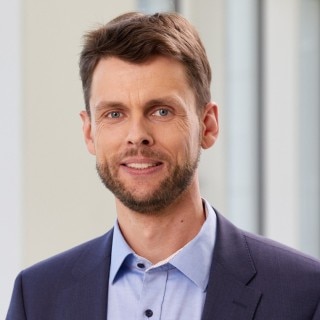
Dr. Jan-Hendrik Bebermeier
Global Marketing Manager Eppendorf
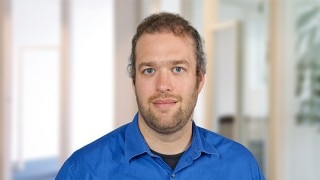
Christoph van Eickels
Bioprocess Product Lifecycle Manager Eppendorf
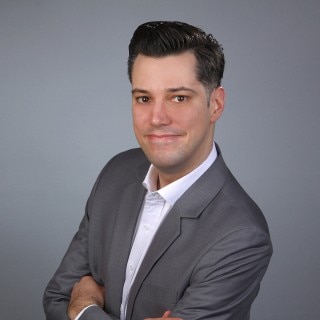
Dr. Stefan Schlösser
Scientific Communications Manager Eppendorf
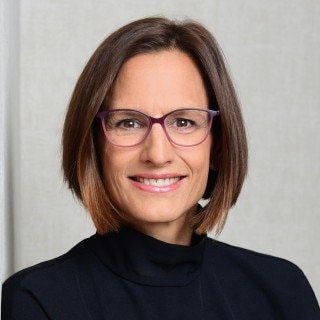
Dr. Kerstin Isermann
Global Field Application Specialist Eppendorf
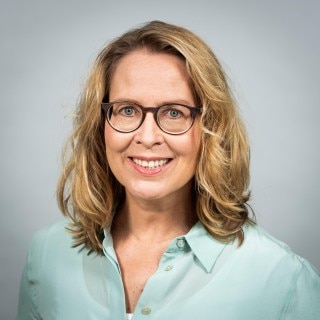
Natascha Weiss
Global Field Application Specialist Eppendorf
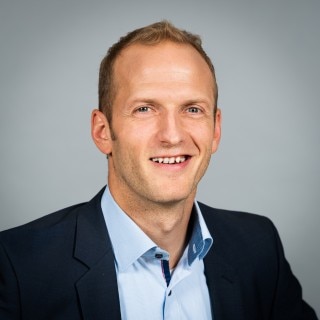
Dr. Christian Haberlandt
Global Marketing Manager Eppendorf
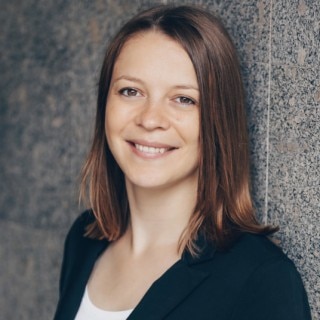
Dr. Maren Rudolph
Global Field Application Specialist Eppendorf

Dr. Steffen Riethmueller
Global Field Application Specialist Eppendorf
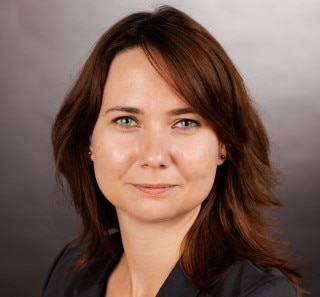
Dr. Jessica Wagener
Global Field Application Specialist Eppendorf
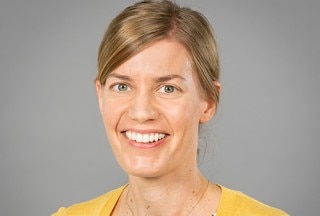
Ines Kristina Hartmann
Global Field Application Specialist Eppendorf