Read more
Small solutions for big problems
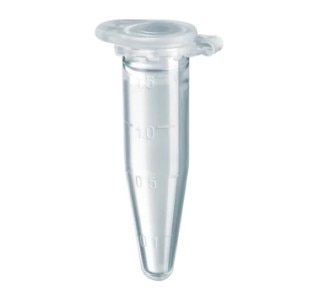
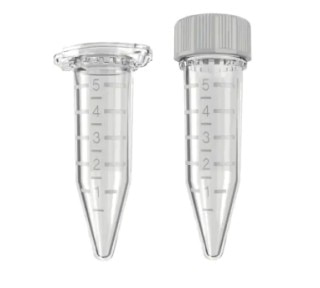
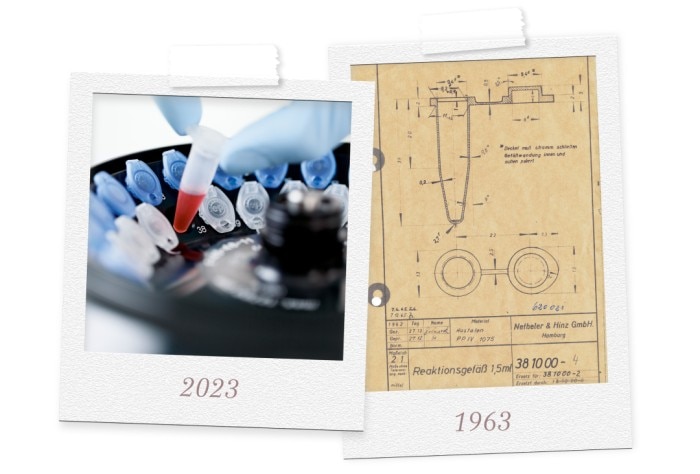
The launch of the first Eppi® allowed scientists to easily handle small volumes manually, allowing volumes of expensive reagents and precious samples to be reduced. The Eppi® also provided solutions for sample mixing, storage, and centrifugation, helping to fuel amazing discoveries across bioscience. For example, within a decade of the first Eppi® being manufactured, there were major advances in molecular biology, with the development of gene cloning and PCR. And in medicine, advances include the discovery of life-saving vaccines such as the first hepatitis B and meningitis vaccines.
Birth of the microliter system
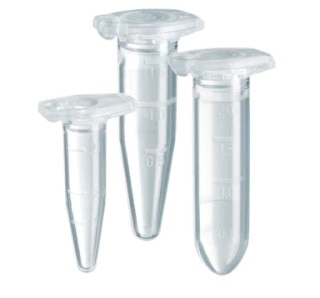
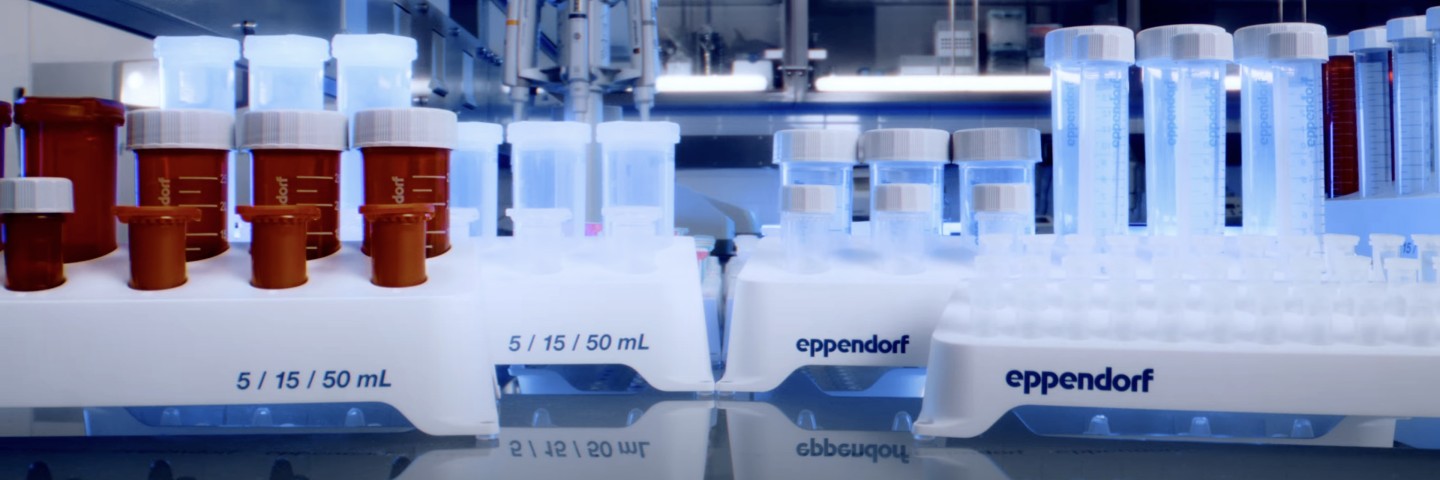
Soon after its launch, the Eppi® rose in popularity, creating the need for a range of lab bench devices and consumables that were compatible with this new size of tube. In response, Eppendorf developed the microliter system to offer full sample processing solutions for microliter volumes. Initially, the range consisted of a mixer and centrifuge, as well as Eppendorf Tubes® .
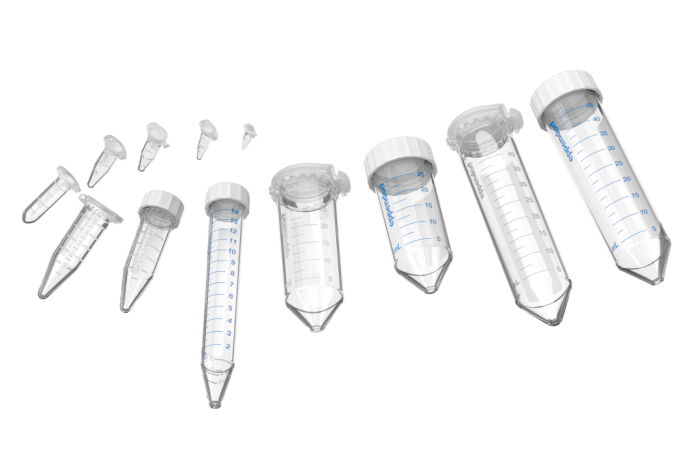
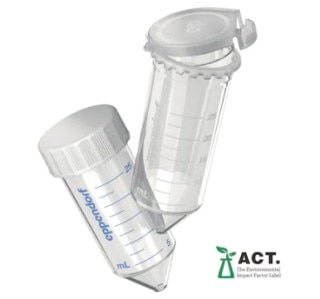
Since its creation in 1964, the microliter system has expanded further, with the current range of pipettes, centrifuges, and mixers being complemented by Eppendorf Tubes® and pipette tips that process sample volumes ranging from 0.2 mL to 50 mL.
Catalyst for progress
The 60th anniversary of the Eppi® tube marks a significant milestone. In essence, this innovation was a catalyst for the development of a whole range of laboratory consumables that are at the heart of modern lab equipment. Today, Eppendorf continues to lead the industry in developing new technologies and products that are designed to improve experimental outcomes and push the boundaries of scientific discovery.
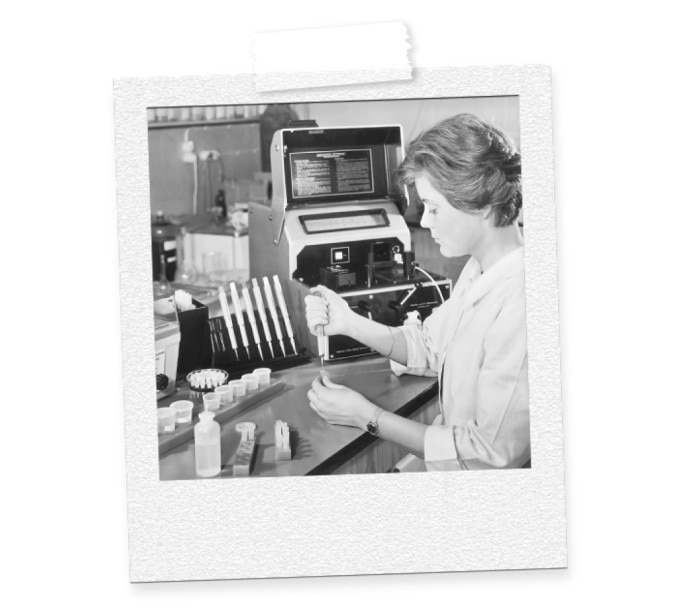
Learn more about the history of the Eppendorf tube by downloading the complete article.

Your best choice to care for your sample: Eppendorf Tubes®
Disposable plasticware is used routinely in most life science laboratories. To achieve the highest level of reliability and consistency for your experiments, Eppendorf has optimized source materials and processes for the production of Eppendorf Tubes® to minimize the risk of interference. The effects from chemical substances such as slip agents, plasticizers or biocides leaching out of plastic consumables are still frequently underestimated in the majority of life science applications. However, increasing scientific evidence shows that this heterogeneous group of chemicals may significantly affect experiments and pose a likely source of error in various assay systems. They slow down evaporation, skew absorbance readings and lead to erroneous DNA quantification. Some of these slip agents have also been shown to negatively affect the outcome of biological tests like enzyme activity or receptor-binding assays.