
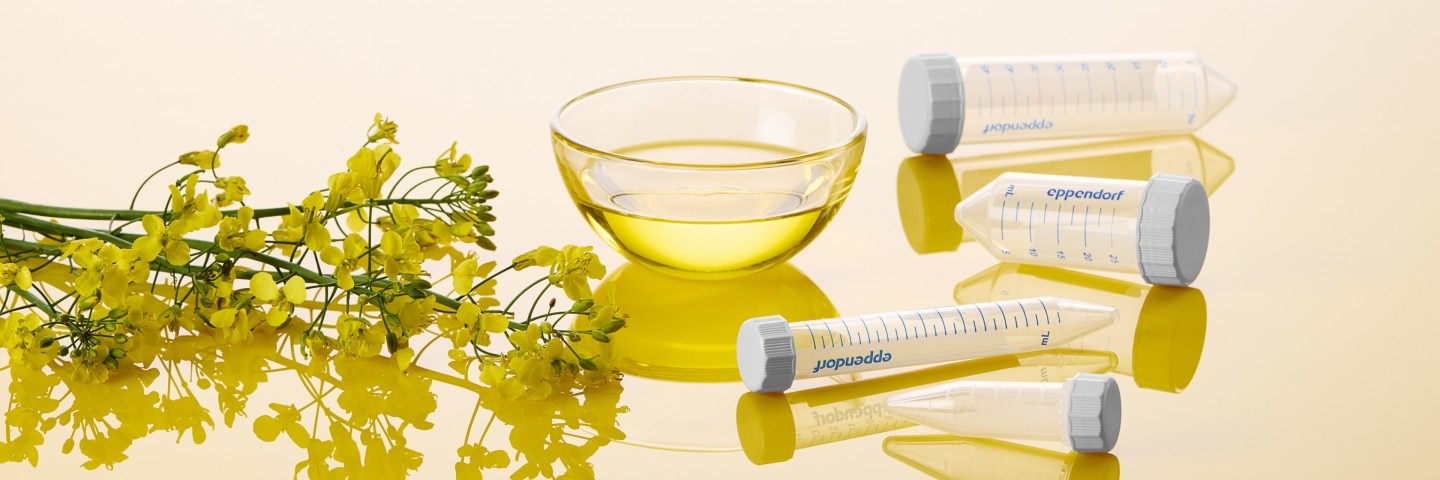
But if we look into the lab, conventional plastics like polyethylene (PE), polypropylene (PP) or polyethylene terephthalate (PET) have a great potential to be replaced by products made of renewable resources. Besides used cooking oil, there are other waste streams which could be used as well to generate second-generation plastic. Did you know that? Have a look in our White Paper to read more about plastic free alternatives for laboratory.
Read more
Read less
White Paper: „Consumables Made of Bioplastics Enter the Lab“"
Can we solve the plastic problem? Plastic has entered our daily life. But as versatile and necessary as it is, it also has a major ecologic impact since it is made from fossil fuels. Bioplastics produced from plants like sugar cane seem to be an alternative, but this approach also has its drawbacks. Intending to build a circular economy, waste streams are coming into focus as a source for the production of plastics.

Get to know the new innovation for lab consumables: Eppendorf Tubes® BioBased
Since oil-based plastic vessels have replaced glass vessels, they have become irreplaceable in laboratories around the world, providing quality standards needed in increasingly demanding research. This is the growing challenge for laboratories in respect to sustainability. Thus, Eppendorf focuses on finding alternative, more environmentally friendly raw materials and succeeded. The next generation of Eppendorf Tubes is manufactured of certified polypropylene based on renewable raw materials.


