-
-
-
- Pichia 2026
- Future Labs Live 2026
- BioProScale Sympposium 2026
- ASGCT 2026
- Eppendorf Automation Forum 2026
- ECB 2026
- WoTS 2026
- ELRIG Drug Discovery 2026
- 75th JAMT Congress & IFBLS2026
- JASIS2026
- GSCN 2026
- BPI EAST 2026
- Bioprocess Days 2026
- Bioprocess Day 2026, Texas, USA
- Bioprocess Day 2026, Philadelphia, USA
-

-
-
-
- Pichia 2026
- Future Labs Live 2026
- BioProScale Sympposium 2026
- ASGCT 2026
- Eppendorf Automation Forum 2026
- ECB 2026
- WoTS 2026
- ELRIG Drug Discovery 2026
- 75th JAMT Congress & IFBLS2026
- JASIS2026
- GSCN 2026
- BPI EAST 2026
- Bioprocess Days 2026
- Bioprocess Day 2026, Texas, USA
- Bioprocess Day 2026, Philadelphia, USA
-
-
- All Pipettes, Dispensers & Automated Liquid Handlers
- All Micropipettes
- Mechanical Pipettes
- Electronic Pipettes
- Multi-Channel Pipettes
- Positive Displacement Pipettes & Dispensers
- Bottle-Top Dispensers
- Pipette Controllers
- Dispenser & Pipette Accessories
- Automated Pipetting
- Automation Consumables
- Automation Accessories
- Liquid Handler & Pipette Services
Read more
Read less
CAR-T Cells: Breakthroughs in Cancer and Auto-Immune Therapies
Read more
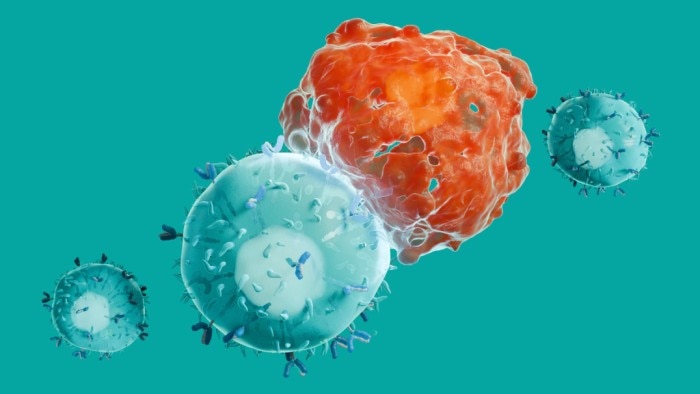
CAR-T Cell Development – The Future of Fighting Cancer
CAR-T cells, genetically engineered and equipped with specific receptors to target and combat cancer cells, are primarily divided into two categories: autologous and allogenic CAR-T cells. Hereby, autologous CAR-T cells derive from the patient’s own white blood cells and are reintroduced after modification, whereas allogenic CAR-T cells are designed as off-the-shelf solutions for use in different patients. However, both approaches have their challenges. The manufacturing process for autologous CAR-T cells is complex and costly, as each patient’s cells must be individually processed. Allogeneic CAR-T cells, on the other hand, currently do not have the same safety profile, necessitating further research to address these issues.


Downloads