AU | AUD
Eppi® – Eppendorf Safe-Lock® Tubes BioBased
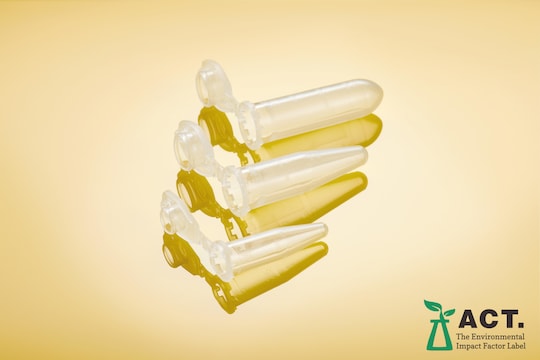
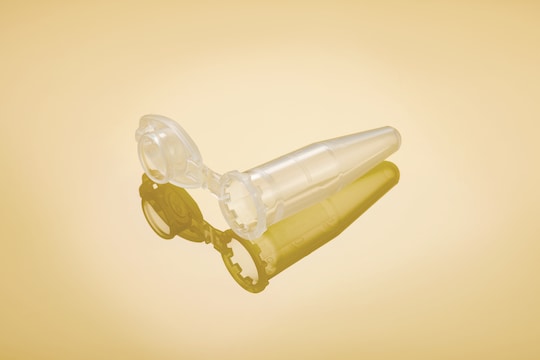
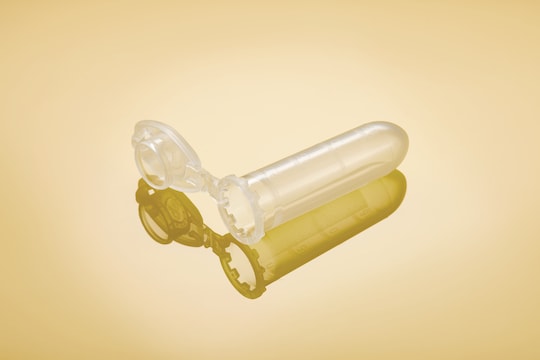
Safe-Lock Tubes BioBased all volumes opend lid orange, yellow background
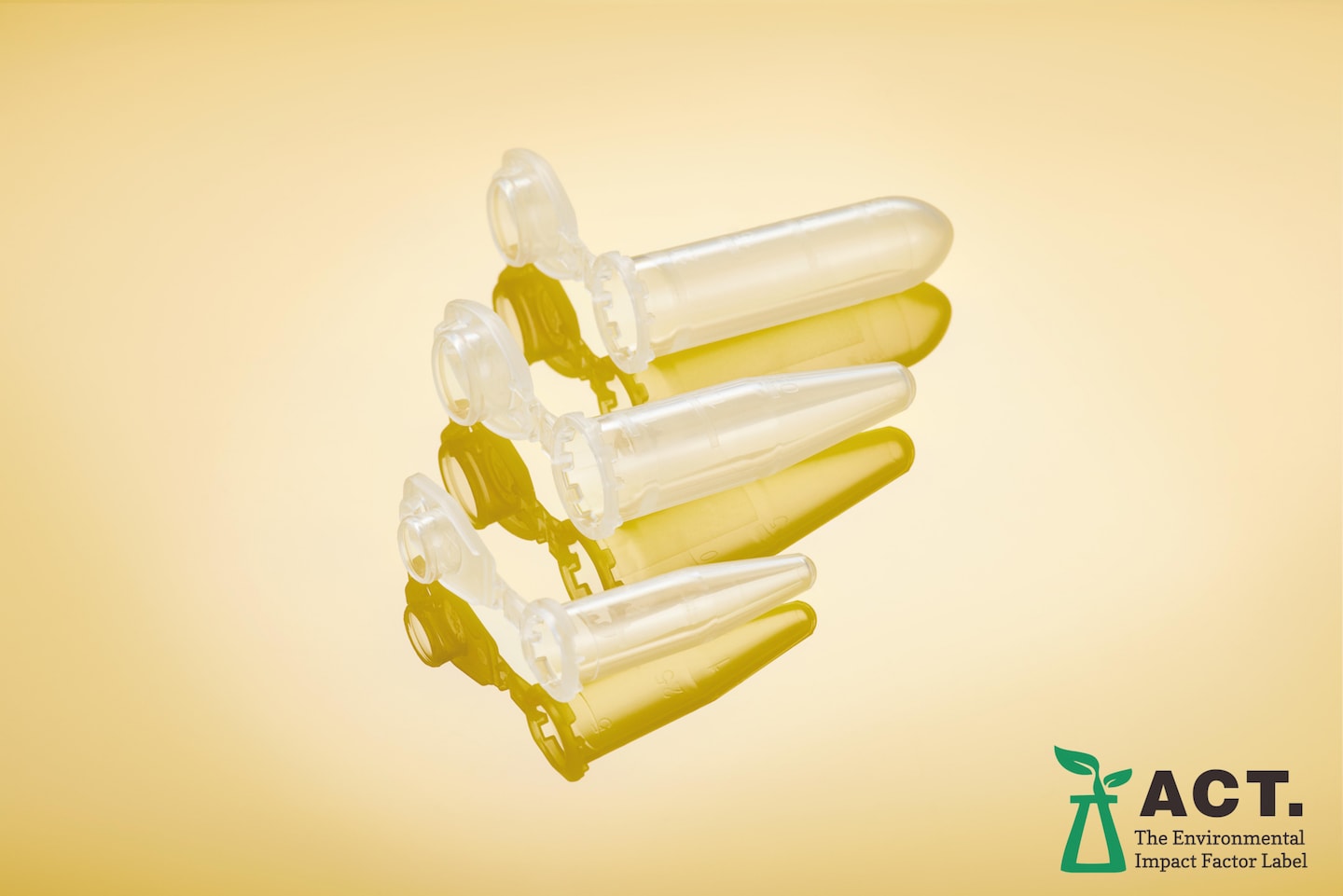
Safe-Lock Tubes BioBased 0.5 mL, open lid orange, yellow background
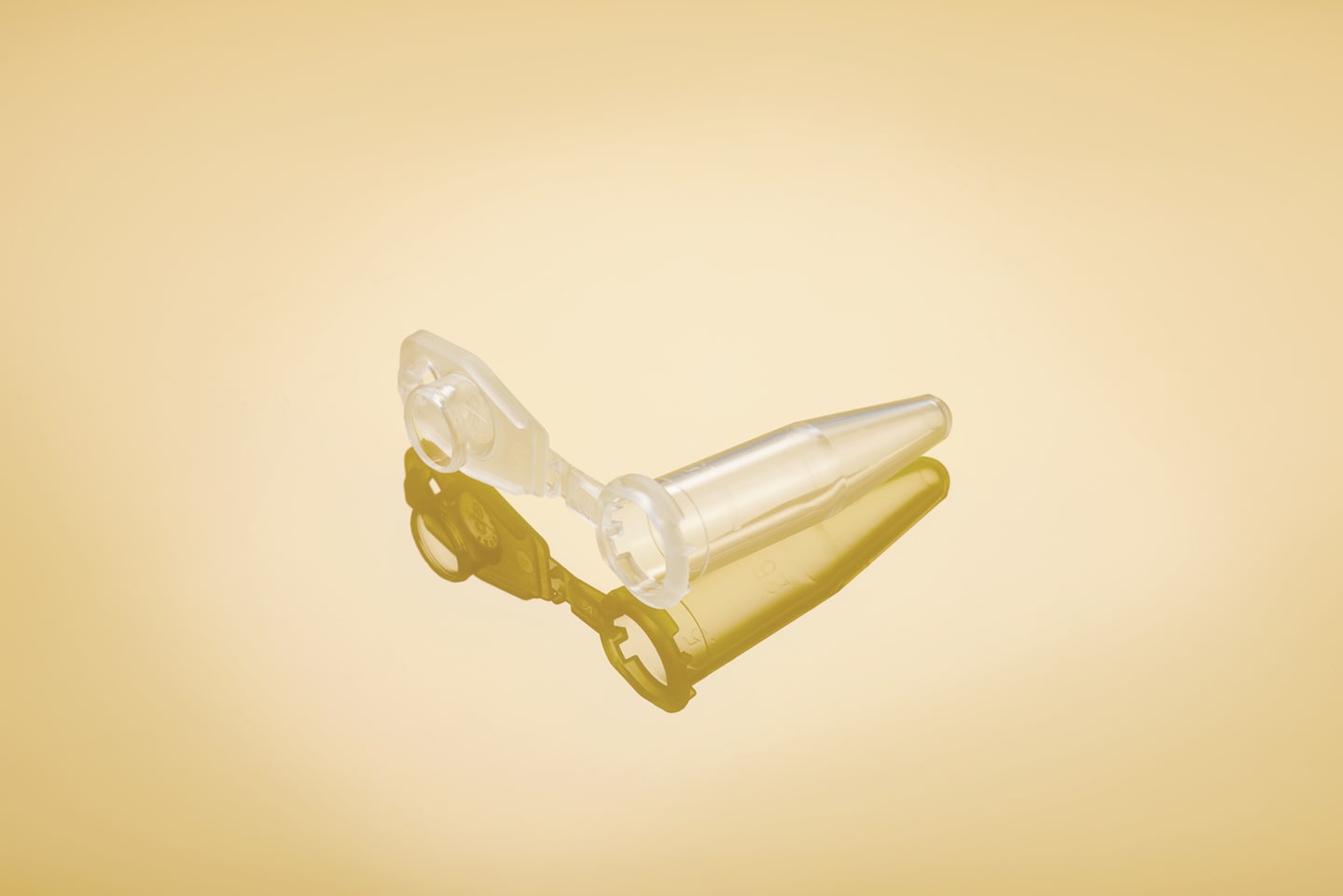
Safe-Lock Tubes BioBased 1.5 mL open lid orange, yellow background
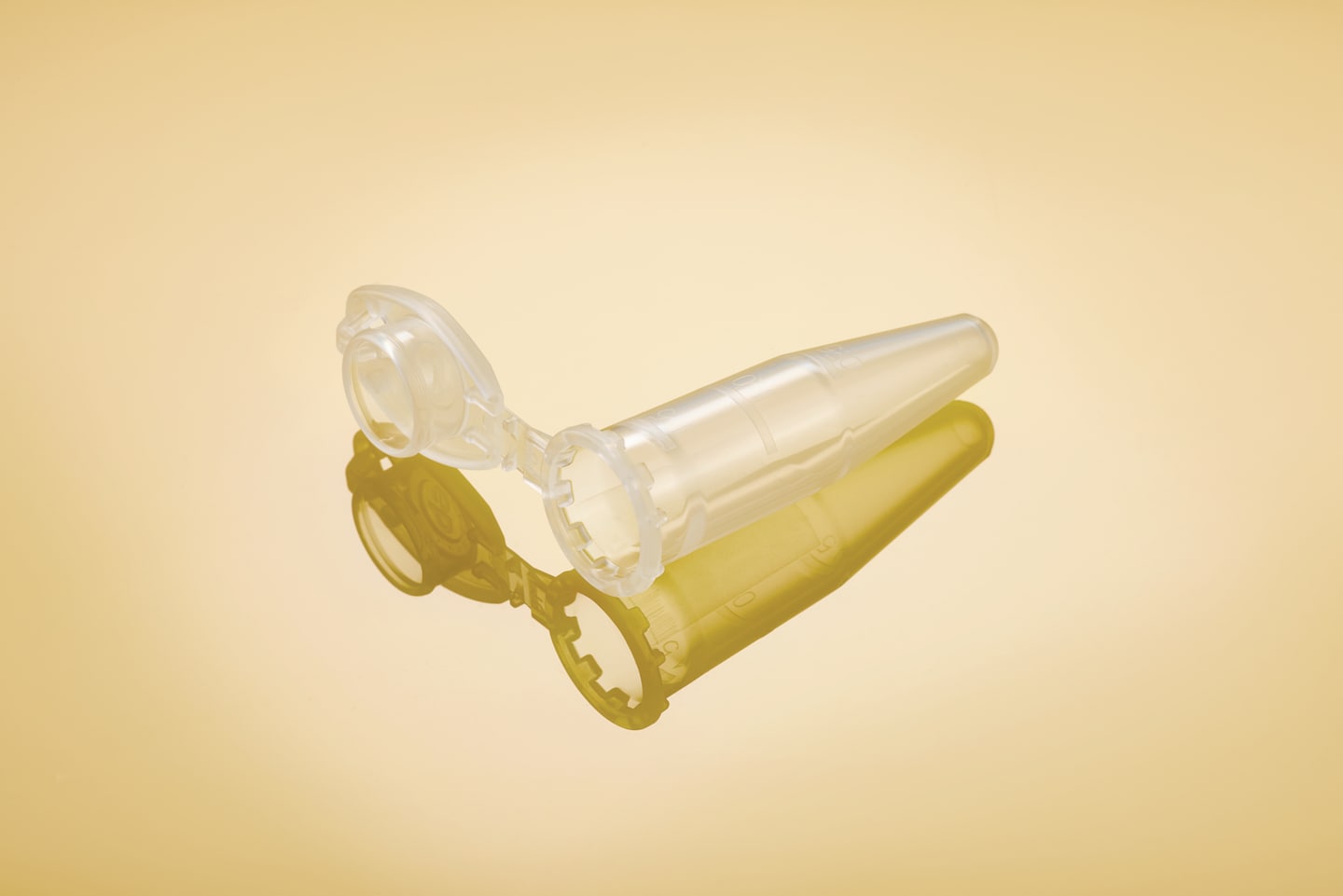
Safe-Lock Tubes BioBased 2.0 mL open lid orange, yellow background
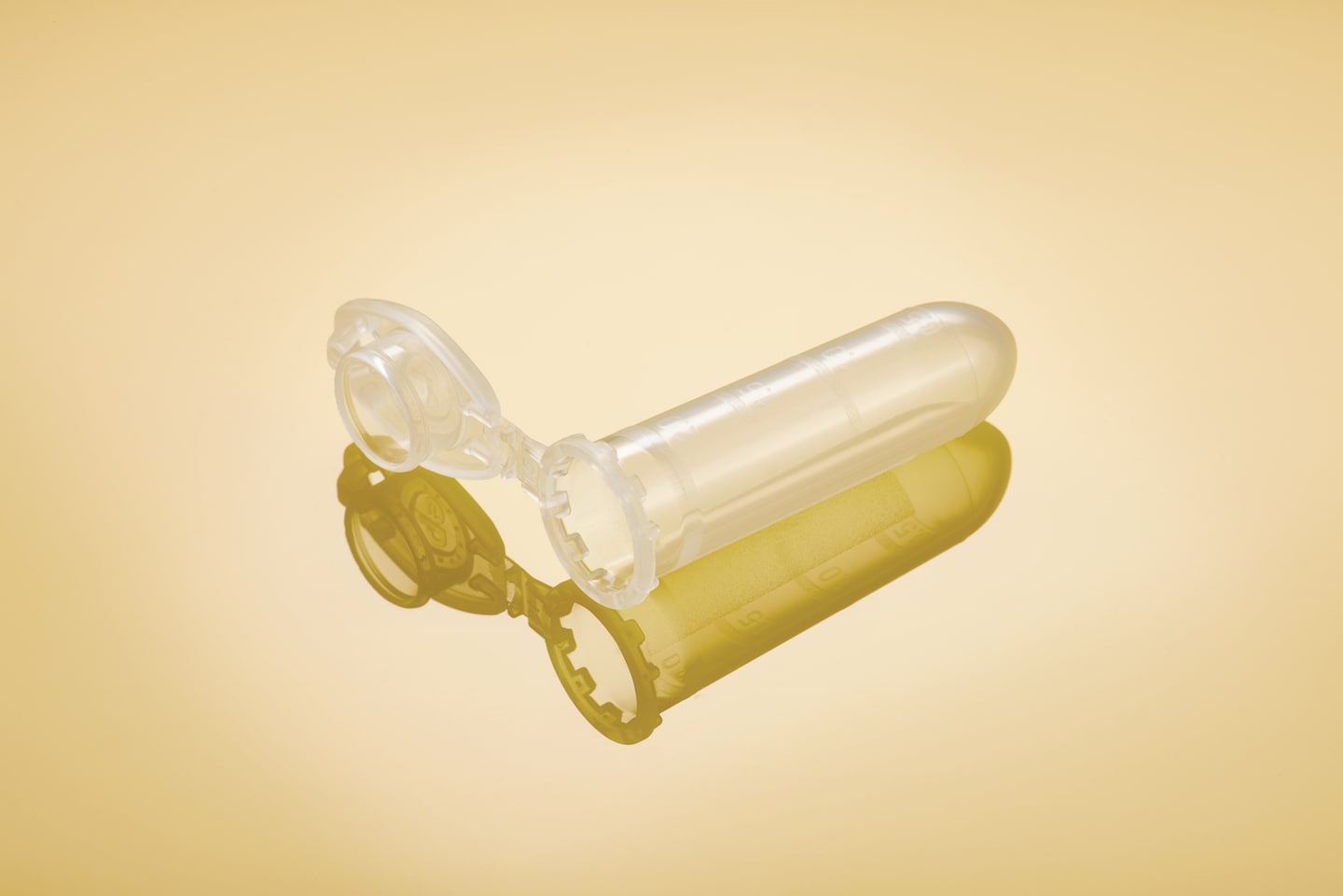
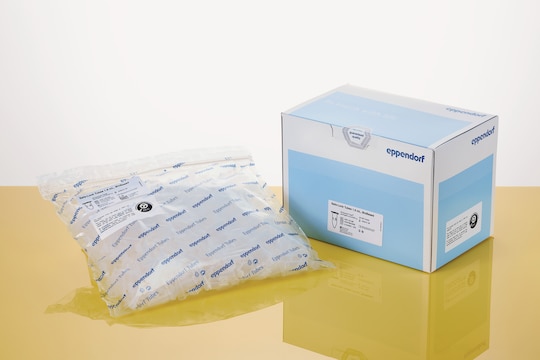
Safe-Lock Tubes BioBased 1.5mL Packaging orange, yellow background

Product Information
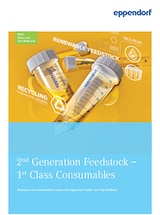
Sustainability is playing an increasingly important role in the perception and purchasing decision of customers looking for laboratory consumables. The Eppendorf Safe-Lock Tubes BioBased in volumes from 0.5 – 2.0 mL reduce significantly the product-related carbon footprint. The famous Eppi® is now made from 100 % biobased plastic (mass balance approach: 100% biobased PP), and demonstrate Eppendorf's strong interest to decouple single-use consumables from the usage of fossil resources without questioning either the product quality or the quality of test results.


-
More infos on biobased tubes
-
Request lot-specific certificates (not applicable for the purity grade "Eppendorf Quality")
You will find additional download material at the bottom of this page
Products (6)
Accessories (1)
|
Eppendorf Safe-Lock® Tubes BioBased 0.5 mL
|
|
Eppendorf Safe-Lock® Tubes BioBased 0.5 mL
|
|
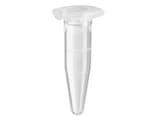
Eppendorf Safe-Lock® Tubes BioBased 1.5 mL
|
|
Eppendorf Safe-Lock® Tubes BioBased 1.5 mL
|
|
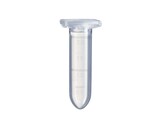
Eppendorf Safe-Lock® Tubes BioBased 2.0 mL
|
|
Eppendorf Safe-Lock® Tubes BioBased 2.0 mL
|
Added to Your Cart
Product Information
Applications
Features
Product Information
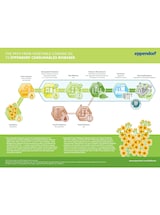
The Eppendorf Safe-Lock Tubes BioBased in the sizes 0.5 mL, 1.5 mL and 2.0 mL open up again new doors to make laboratory work significantly more sustainable without jeopardizing experimental results. By using a second-generation biobased polymer made from 100 % renewable resources (e.g. waste and residues from vegetable oil refining or waste cooking oil; mass balance approach: 100 % biobased PP in the tube) the product-related carbon footprint of these tubes was significantly reduced. "General Quality Certificates" on compliance with standards and general quality requirements, product-specific and lot-specific purity certificates as well as "ACT Labels" (the independent environmental impact factor validation by My Green Lab®) certify the well-known premium product quality you can expect from your well-known "Eppi®" ˗ combined with a sustainability factor that will clearly be visible in your laboratory carbon footprint with continuous use of these tubes. The packaging is based on 500 tubes per bag (bulk concept) to save resources and is secured by cardboard made of at least 92% recycling material. As with our fossil-based Safe-Lock Tubes you can say goodbye to precious sample loss during centrifugation, incubation and storage! Feel confident in the outstanding protection offered by the hinged Safe-Lock lid, the result of over 60 years of continuous improvement and development. Additionally, Safe-Lock Tubes BioBased support you in your efforts to become visibly more environmentally friendly in the laboratory.
Disposal of packaging material
Recycling of materials becomes more and more important every day. E.g. in Europe almost 100 % of cardboard material is already recycled. The packaging material of the Eppendorf consumables BioBased is made of different materials – for the most part made from cardboard.
Eppendorf consumables and thus also Eppendorf Safe-Lock Tubes BioBased are shipped in packaging in which both the shipping carton and the folding carton consist of at least 92 % recycled cardboard.
Please support our global sustainability initiative of recycling valuable raw material by collecting the cardboard packaging material of tubes. Dispose of the packaging material in the designated collection containers in your organization and region.
After usage, the tubes themselves are defined as potentially being contaminated. This contamination can be based on biohazard, chemical hazard, or even nuclear hazard. Therefore, recycling of these vessels can be challenging. In many countries, critical waste must be burned due to legal restrictions. However, energy and heat can be recovered from thermal recycling of contaminated laboratory consumables.
To reduce the amount of critical plastic waste, you should use at least two waste containers: One for critical waste and one for non-critical waste. The definition of these two groups may depend on local regulations and should be communicated/ trained in your lab accordingly. For further local waste recycling options please contact your local biosafety officer and your local waste management.
We strongly recommend a certified local recycling partner. Keeping it "local", will reduce the impact of transportation, and the "certified" aspect is recommended due to the safe and sustainable handling of lab waste.
Founded in 2010 through a multi-stakeholder initiative, the International Sustainability and Carbon Certification (ISCC) is a globally applicable and leading certification system designed to enhance traceable, sustainable, deforestation-free, and climate-friendly supply chains. ISCC certifications are widely recognised and cover sustainable agricultural biomass, biogenic wastes and residues, non-biological renewable materials and recycled carbon-based materials. The development and implementation of different certification standards is ISCC’s tool to promote its mission to mitigate climate change and bring more traceability into global markets and supply chains.
The ISCC PLUS standard, in particular, supports the transition to a circular economy and bioeconomy. This voluntary certification standard validates the sustainability characteristics of alternative feedstocks throughout the entire supply chain, from origin to end consumer.
The ISCC PLUS standard, in particular, supports the transition to a circular economy and bioeconomy. This voluntary certification standard validates the sustainability characteristics of alternative feedstocks throughout the entire supply chain, from origin to end consumer.
Downloads: Eppi® – Eppendorf Safe-Lock® Tubes BioBased
Content