-
- All Pipettes, Dispensers & Automated Liquid Handlers
- All Micropipettes
- Mechanical Pipettes
- Electronic Pipettes
- Multi-Channel Pipettes
- Positive Displacement Pipettes & Dispensers
- Bottle-Top Dispensers
- Pipette Controllers
- Dispenser & Pipette Accessories
- Automated Pipetting
- Automation Consumables
- Automation Accessories
- Liquid Handler & Pipette Services
You are about to leave this site.
Please be aware that your current cart is not saved yet and cannot be restored on the new site nor when you come back. If you want to save your cart please login in into your account.
- Lab Academy
- Pipetting Knowledge Hub
- Pipette tip technology
- Articles Purity Grades
If you have any questions or would like to contact us, please visit the Support Center.
Pipetting knowledge hub
Purity grades
Understanding Eppendorf’s purity grades for pipette tips
In many labs, pipette tips all look the same – until your PCR fails, your cell culture crashes, or your trace DNA assay gets mystery bands. That’s exactly what Eppendorf’s purity grades are meant to prevent: they tell you how clean a tip really is, and for which applications it’s been certified.
Below is a short overview of our main purity grades you’ll see for pipette tips like epT.I.P.S.® and ep Dualfilter T.I.P.S.® .
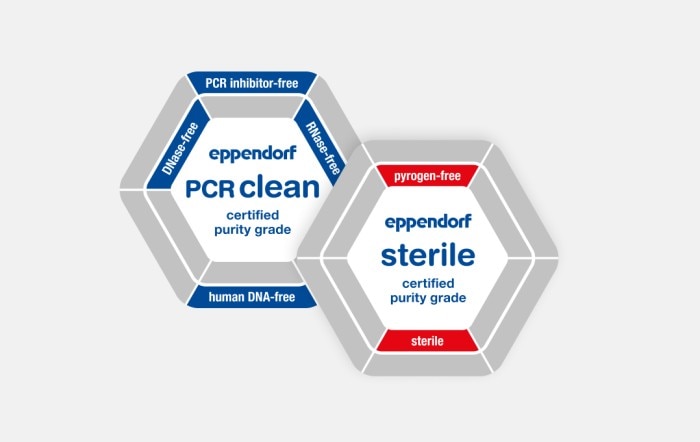
Pipette tips exist in all purity grades
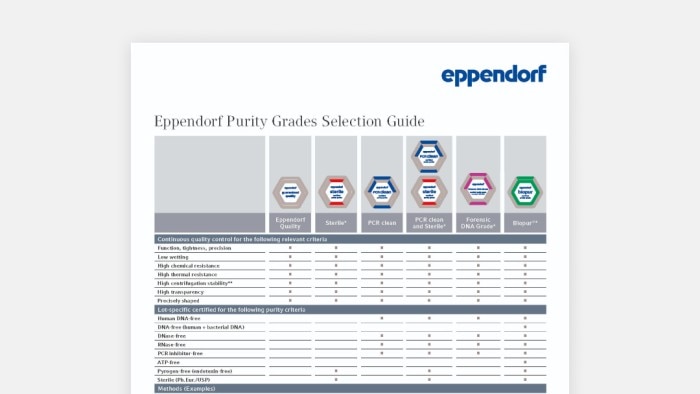
Check the overview which tip variant comes in which purity and choose your optimal volume, features and purity grade.
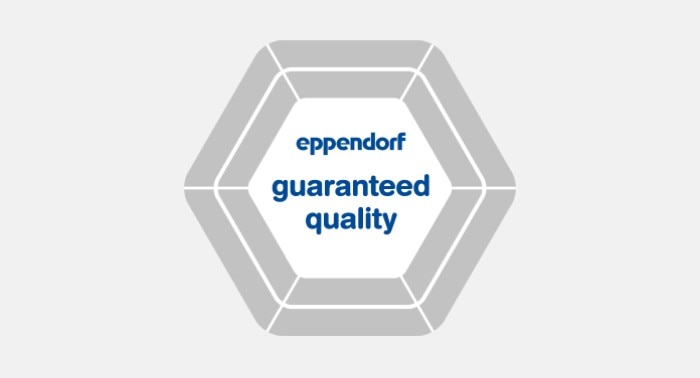
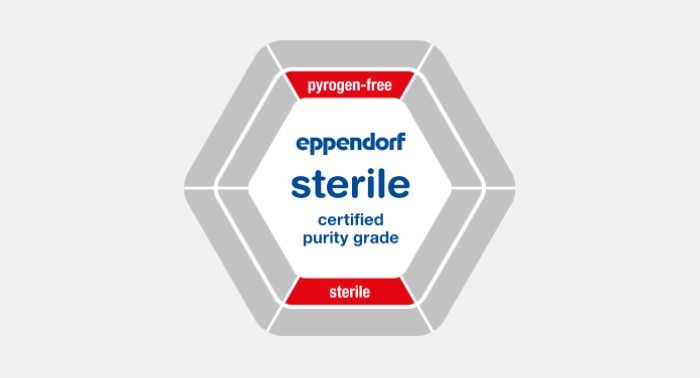
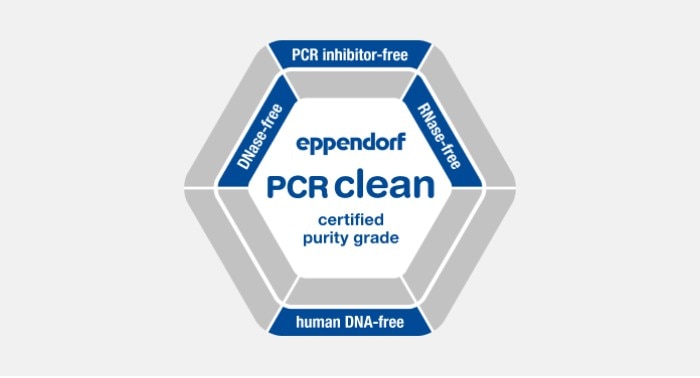
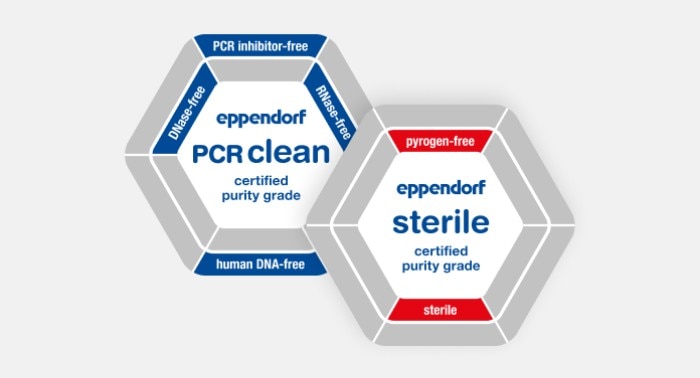
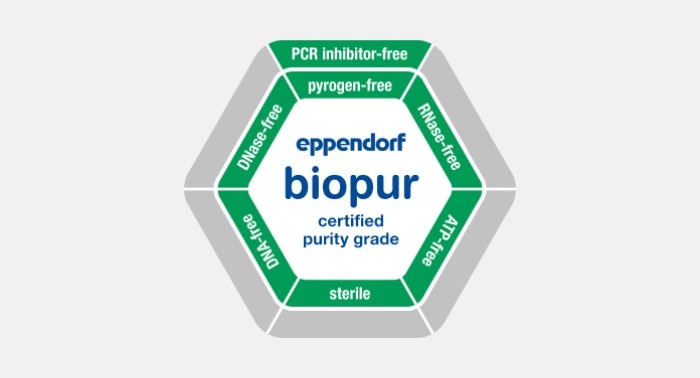
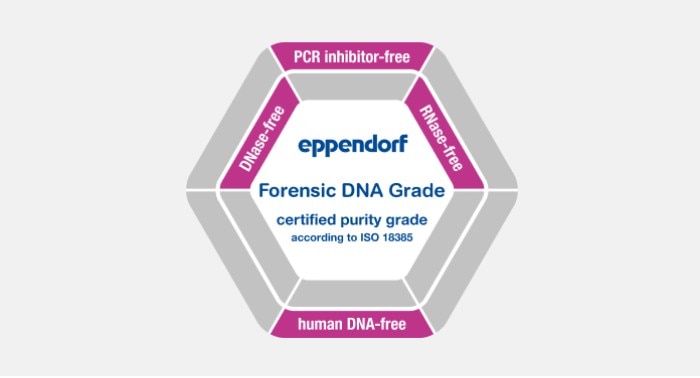
How to choose a purity grade in practice
Think about what can interfere with your sample and choose the purity that is free of this contaminant in our selection guide.
Matching the purity grade to your assay helps protect you from invisible enemies – nucleases, endotoxins, stray DNA – and saves you from troubleshooting problems that were never really “your fault” in the first place.