MENU
AU | AUD

AU | AUD
-
- All Pipettes, Dispensers & Automated Liquid Handlers
- All Micropipettes
- Mechanical Pipettes
- Electronic Pipettes
- Multi-Channel Pipettes
- Positive Displacement Pipettes & Dispensers
- Bottle-Top Dispensers
- Pipette Controllers
- Dispenser & Pipette Accessories
- Automated Pipetting
- Automation Consumables
- Automation Accessories
- Liquid Handler & Pipette Services
Sorry, we couldn't find anything on our website containing your search term.
Sorry, we couldn't find anything on our website containing your search term.
- Home
- Beyond Science
- Off the Bench
- Exploring Life
- Epigenetik_2405
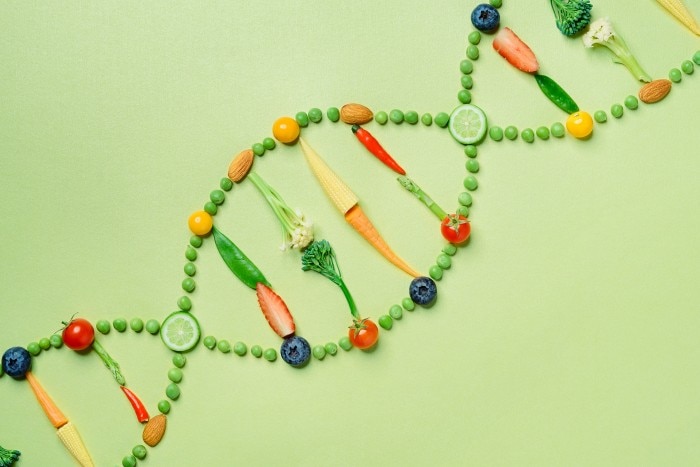
Epigenetics: The study of how the environment influences our genes
Beyond Science
- Other
- Off the Bench
- Exploring Life
Nutrition, lifestyle and sport, as examples, significantly influence our genes. Here is an overview of three findings from the field of epigenetics.
Why does the queen bee look different from her workers even though she shares the same genome? Why do liver cells and kidney cells have different functions despite sharing the same DNA sequence? These differences are the result of epigenetic mechanisms. They control our genome by turning genes on or off. Many studies show that even environmental influences and lifestyle precipitate epigenetic adaptations. Among them exercise and nutrition, but also differences in social status. These three examples show: while many factors influence our genes negatively, much is in our own hands.
The effect of exercise on our epigenetics
The fact that exercise plays a key role in health and longevity is known around the world. The exact influence that movement exerts on our cells is the topic of research of many groups. For example, in the spring of 2019, a team led by biologist Birgitte Regenberg at the University of Copenhagen published a study comparing the muscle cells of athletic men to those of less active men between 60 and 65 years of age. The result: the genetic material of the athletic subjects differed from that of the less athletic subjects in more than 700 locations. Accordingly, genes which control muscle development or energy production are “read” more frequently in those people who are more active.
As far back as the 1990s, the large-scale HERITAGE Family Study set out to discover the exact tissues that were affected by these genetic changes. According to the study, cycling exerted positive effects on the PCG-1α gene – the key molecule in energy metabolism. In April 2023, a study conducted by Ahmad Aziz and his team at the German Center for Neurodegenerative Diseases (DZNE) found that regular exercise slows epigenetic aging. Movement thus counteracts the age-related decline of the immune system, and it lowers the risk of cardiovascular illness.
The effect of exercise on our epigenetics
The fact that exercise plays a key role in health and longevity is known around the world. The exact influence that movement exerts on our cells is the topic of research of many groups. For example, in the spring of 2019, a team led by biologist Birgitte Regenberg at the University of Copenhagen published a study comparing the muscle cells of athletic men to those of less active men between 60 and 65 years of age. The result: the genetic material of the athletic subjects differed from that of the less athletic subjects in more than 700 locations. Accordingly, genes which control muscle development or energy production are “read” more frequently in those people who are more active.
As far back as the 1990s, the large-scale HERITAGE Family Study set out to discover the exact tissues that were affected by these genetic changes. According to the study, cycling exerted positive effects on the PCG-1α gene – the key molecule in energy metabolism. In April 2023, a study conducted by Ahmad Aziz and his team at the German Center for Neurodegenerative Diseases (DZNE) found that regular exercise slows epigenetic aging. Movement thus counteracts the age-related decline of the immune system, and it lowers the risk of cardiovascular illness.
Read more

Exercise, too, has epigenetic effects.
The nutrition of a mother and father determines their children’s epigenome – even prior to conception
It’s been known for a long time that the nutritional status of a woman during pregnancy and lactation influences the metabolism of the child later in life. Further to this fact, the nutrition of both parents prior to conception can affect the metabolic health of the child – via epigenetic changes that can even be passed down. One example: as a result of being overweight, important switches inside the genome can be altered, which, in turn, will increase the risk of type 2 diabetes and obesity.
According to studies conducted by the German Center for Diabetes Research (DZD) at the Helmholtz Center Munich and the Technical University of Munich, these epigenetic mechanisms can be passed down to unborn children via the epigenetic code in sperm and egg cells. As a result, this will determine whether, and to which extent, these children will suffer from illness during their lifetime. The good news: children are not entirely dependent on the genes of their parents, but they can benefit from their own healthy life choices. According to the researchers, epigenetic information can be reversed within a specific time window. If a child of parents with metabolic illness receives healthy nutrition and sufficient exercise, future generations will reap the reward.
Social inequality affects our genes
The research group MPRG Biosocial I Biology, Social Disparities, and Development from the Max Planck Institute for Human Development studied how social inequality affects our genes. The team, headed by Laurel Raffington, analyzed data from more than 3,000 American children between the ages of eight and 18. One result: the epigenetic profiles of children from socially and economically disadvantaged families and neighborhoods were “worse” than those of young people growing up in privileged circumstances. They show similarities with those profiles which in previous studies had been connected with a less favorable health status in adults. Among them, an elevated risk of obesity, lower cognitive abilities and accelerated aging. With her research, the developmental psychologist intends to provide facts that will facilitate the necessary changes – for example, with respect to social policy. After all: evidence points to the fact that we have the power to counteract this influence on our genes through a healthy lifestyle and early childhood education.
It’s been known for a long time that the nutritional status of a woman during pregnancy and lactation influences the metabolism of the child later in life. Further to this fact, the nutrition of both parents prior to conception can affect the metabolic health of the child – via epigenetic changes that can even be passed down. One example: as a result of being overweight, important switches inside the genome can be altered, which, in turn, will increase the risk of type 2 diabetes and obesity.
According to studies conducted by the German Center for Diabetes Research (DZD) at the Helmholtz Center Munich and the Technical University of Munich, these epigenetic mechanisms can be passed down to unborn children via the epigenetic code in sperm and egg cells. As a result, this will determine whether, and to which extent, these children will suffer from illness during their lifetime. The good news: children are not entirely dependent on the genes of their parents, but they can benefit from their own healthy life choices. According to the researchers, epigenetic information can be reversed within a specific time window. If a child of parents with metabolic illness receives healthy nutrition and sufficient exercise, future generations will reap the reward.
Social inequality affects our genes
The research group MPRG Biosocial I Biology, Social Disparities, and Development from the Max Planck Institute for Human Development studied how social inequality affects our genes. The team, headed by Laurel Raffington, analyzed data from more than 3,000 American children between the ages of eight and 18. One result: the epigenetic profiles of children from socially and economically disadvantaged families and neighborhoods were “worse” than those of young people growing up in privileged circumstances. They show similarities with those profiles which in previous studies had been connected with a less favorable health status in adults. Among them, an elevated risk of obesity, lower cognitive abilities and accelerated aging. With her research, the developmental psychologist intends to provide facts that will facilitate the necessary changes – for example, with respect to social policy. After all: evidence points to the fact that we have the power to counteract this influence on our genes through a healthy lifestyle and early childhood education.
Read more
What is epigenetics
Mutations can permanently alter the sequence of the bases in DNA, which are then passed down to the daughter cells during cell division. Epigenetics, on the other hand, is about reversible gene modifications. While these modifications do not influence the DNA sequence, they can nevertheless be passed on to daughter cells and bring about noticeable changes in gene function. All the different cells in our bodies – for example, nerve cells, blood cells or hair follicles – originally descended from stem cells that subsequently differentiated as a result of epigenetic mechanisms. Likewise, the queen bee shares the identical genome with her workers, but her prolonged ingestion of royal jelly triggered epigenetic changes which made the crucial difference. The study of exact mechanisms of action, additional factors and epigenetic approaches to therapy are at the center of current projects.
Read more
FAQ: Genetic Material Subject to Change
What epigenetic effects does exercise have?
An April 2023 study from the German Center for Neurodegenerative Diseases (DZNE) led by Ahmad Aziz established that regular exercise slows epigenetic aging, meaning therefore that movement counteracts age-related decline of the immune system and lowers the risk of cardiovascular disease.
How does parents’ nutrition change their children’s epigenome?
The nutrition of both parents before conception can affect the resulting child’s metabolic health by means of inheritable epigenetic changes. For example, being overweight can change important switches in the genome, thereby raising the risk of metabolic conditions such as type 2 diabetes and obesity.
How does social inequality impact our genes?
The research group “MPRG Biosocial | Biology, Social Disparities, and Development” from the Max-Planck Institute for Research studied the influence of social inequality on the genes. The team, headed by Laurel Raffington, analyzed data from more than 3,000 American children between 8 and 18 years old; their results indicated that the epigenetic profiles of children from socioeconomically underprivileged families and areas are “worse” than those of more privileged youth. The children’s profiles showed similarities with profiles that in previous studies had been linked to poor states of health in adults.
An April 2023 study from the German Center for Neurodegenerative Diseases (DZNE) led by Ahmad Aziz established that regular exercise slows epigenetic aging, meaning therefore that movement counteracts age-related decline of the immune system and lowers the risk of cardiovascular disease.
How does parents’ nutrition change their children’s epigenome?
The nutrition of both parents before conception can affect the resulting child’s metabolic health by means of inheritable epigenetic changes. For example, being overweight can change important switches in the genome, thereby raising the risk of metabolic conditions such as type 2 diabetes and obesity.
How does social inequality impact our genes?
The research group “MPRG Biosocial | Biology, Social Disparities, and Development” from the Max-Planck Institute for Research studied the influence of social inequality on the genes. The team, headed by Laurel Raffington, analyzed data from more than 3,000 American children between 8 and 18 years old; their results indicated that the epigenetic profiles of children from socioeconomically underprivileged families and areas are “worse” than those of more privileged youth. The children’s profiles showed similarities with profiles that in previous studies had been linked to poor states of health in adults.
Read more