-
-
-
- Pichia 2026
- Future Labs Live 2026
- BioProScale Sympposium 2026
- ASGCT 2026
- Eppendorf Automation Forum 2026
- ECB 2026
- WoTS 2026
- ELRIG Drug Discovery 2026
- 75th JAMT Congress & IFBLS2026
- JASIS2026
- GSCN 2026
- BPI EAST 2026
- Bioprocess Days 2026
- Bioprocess Day 2026, Texas, USA
- Bioprocess Day 2026, Philadelphia, USA
- Cell 2026
- FPP x CMS Amsterdam
-

-
-
-
- Pichia 2026
- Future Labs Live 2026
- BioProScale Sympposium 2026
- ASGCT 2026
- Eppendorf Automation Forum 2026
- ECB 2026
- WoTS 2026
- ELRIG Drug Discovery 2026
- 75th JAMT Congress & IFBLS2026
- JASIS2026
- GSCN 2026
- BPI EAST 2026
- Bioprocess Days 2026
- Bioprocess Day 2026, Texas, USA
- Bioprocess Day 2026, Philadelphia, USA
- Cell 2026
- FPP x CMS Amsterdam
-
-
- All Pipettes, Dispensers & Automated Liquid Handlers
- All Micropipettes
- Mechanical Pipettes
- Electronic Pipettes
- Multi-Channel Pipettes
- Positive Displacement Pipettes & Dispensers
- Bottle-Top Dispensers
- Pipette Controllers
- Dispenser & Pipette Accessories
- Automated Pipetting
- Automation Consumables
- Automation Accessories
- Liquid Handler & Pipette Services
- Home
- Lab Academy
- Pipetting Knowledge Hub
- Pipette tip technology
If you have any questions or would like to contact us, please visit the Support Center.
Pipetting knowledge hub
Read more
Understand pipette tip technology
Precision doesn’t start at the pipette – it starts at the tip. Here, we uncover the overlooked engineering behind pipette tips: how geometry, materials, surfaces, and filters can shift results from “good enough” to truly reproducible. If you’ve ever blamed your assay, cells, or protocol, it might be time to blame – or thank – your tips. Explore how smart design turns simple plastic into a critical part of your experiment’s success.
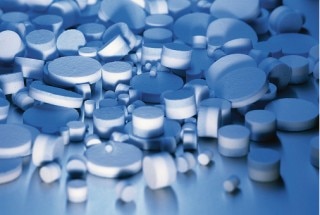
Filters for pipette tips
Not all filter tips are created equal: from standard aerosol barriers to dual‑filter and self‑sealing, choose the protection level your sensitive PCR, cleanroom, or pharma workflow really needs.
Learn more
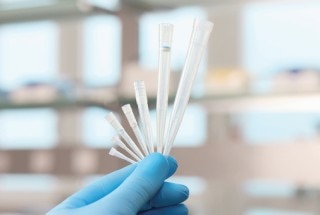
Pipette tip material
High‑class pipette tips start with the right plastic: ultra‑pure polypropylene (fossil or biobased) delivers chemical resistance, autoclave stability, and zero leachables – ensuring precise results with a smaller carbon footprint.
Learn more
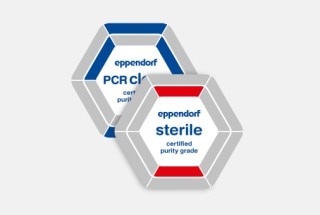
Purity grades
Invisible contaminants can ruin your PCR, cell culture, or trace DNA assays – Eppendorf purity grades make tip cleanliness transparent, so you can match each pipette tip to your assay and stop troubleshooting problems that weren’t your fault.
Learn more
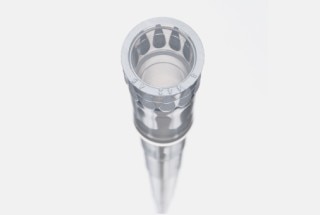
Pipette tip geometry
Discover how subtle differences in pipette tip geometry can dramatically affect accuracy, precision, and sample recovery in everyday lab work. Learn why Eppendorf’s carefully engineered tip shape, matched to their pipettes, offers smoother flow, cleaner dispensing, and reduced strain for more reliable results.
Learn more