CH | CHF
Eppi® – Eppendorf Safe-Lock® Tubes - Microtube
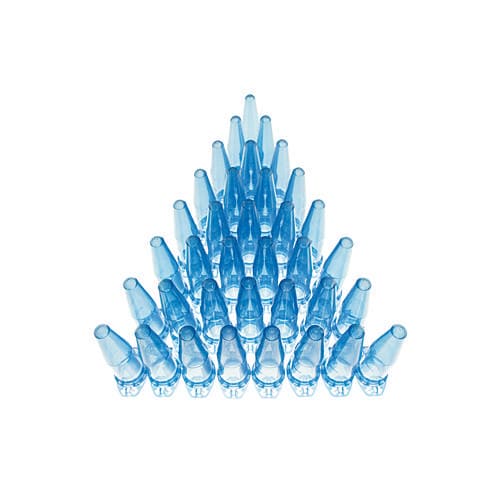
Excellentes fermeture du couvercle et protection des échantillons avec les microtubes Safe-Lock
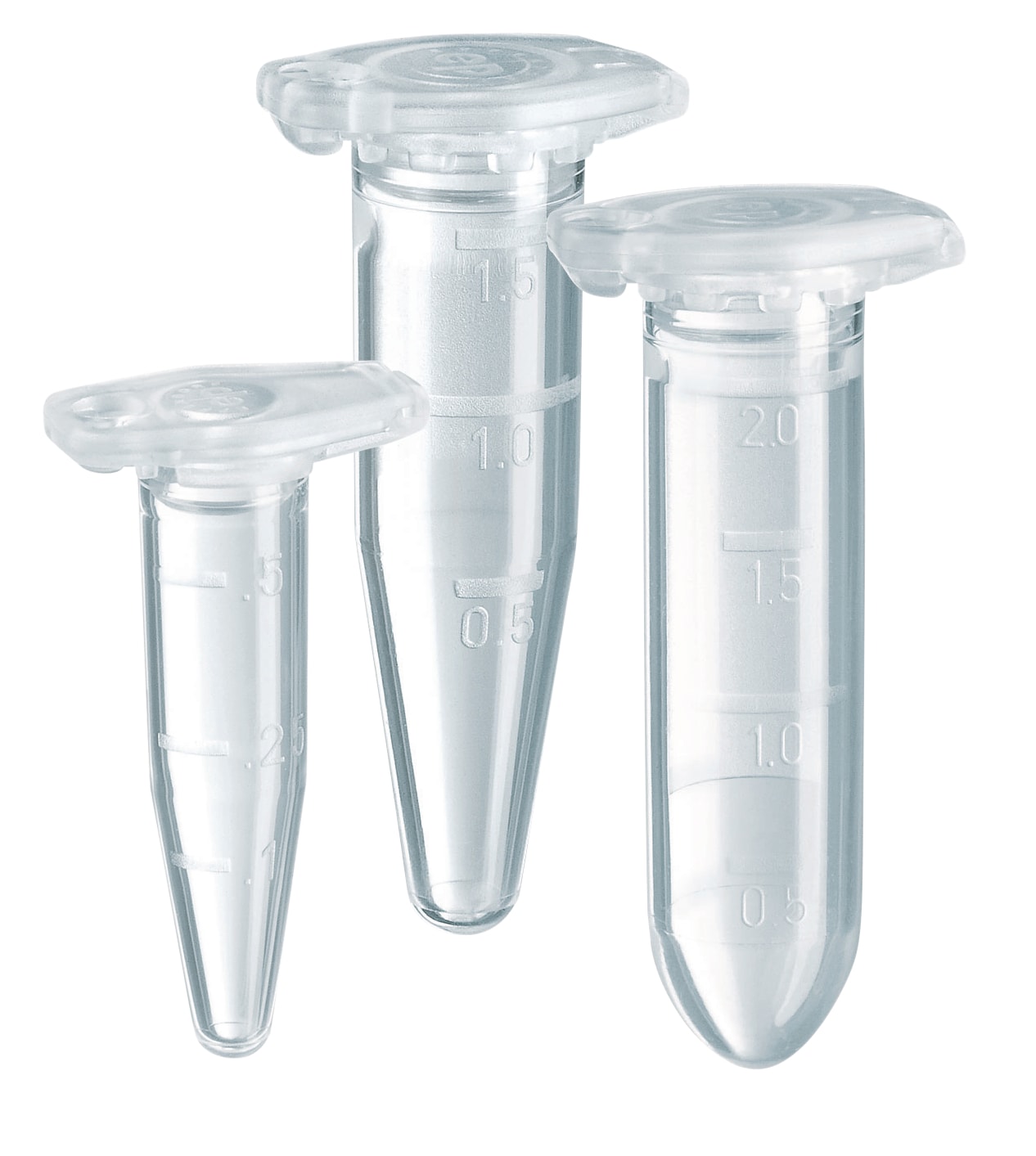
Les microtubes Eppendorf Safe-Lock® garantissent une fermeture sûre
Food and Beverage, Centrifuge
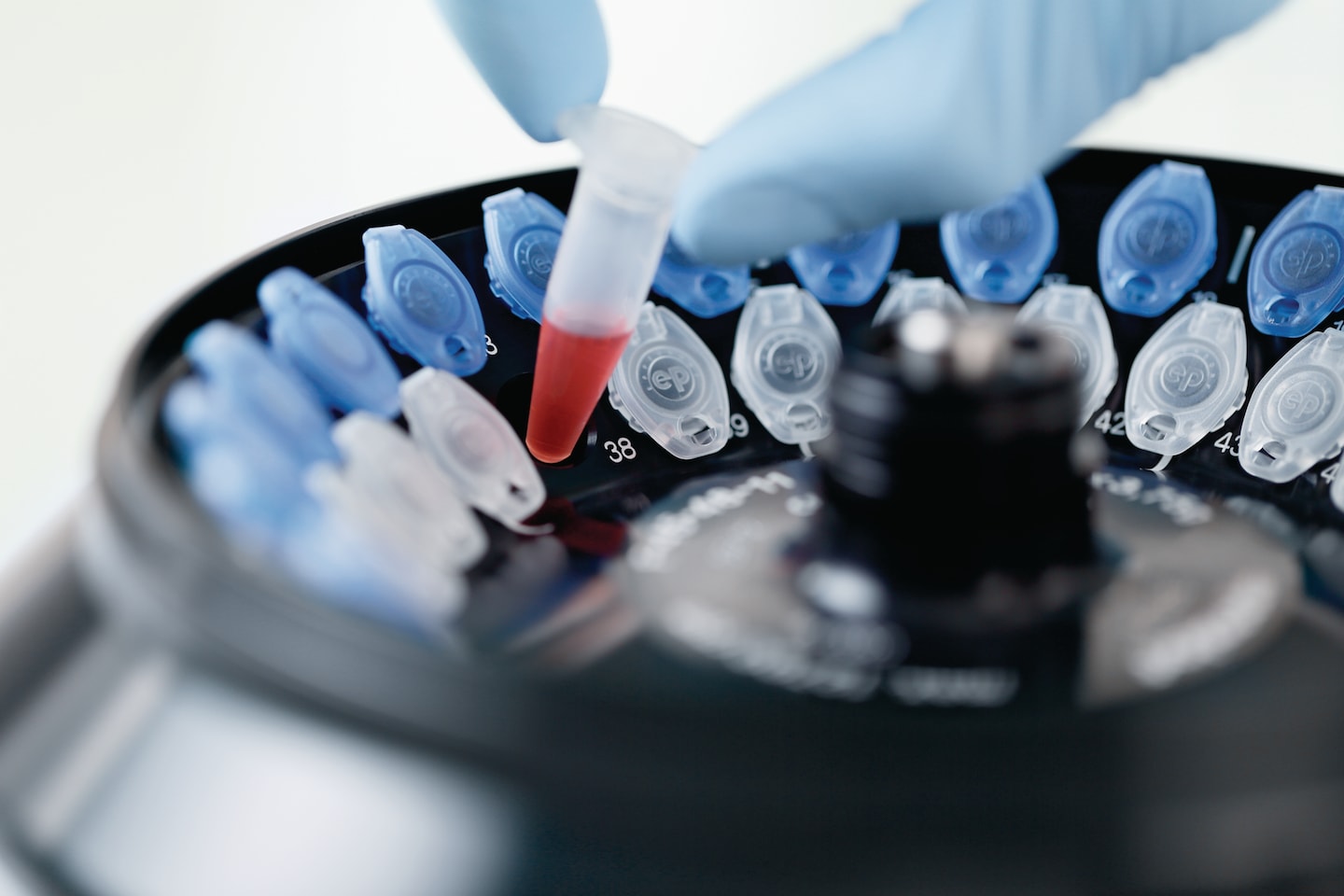
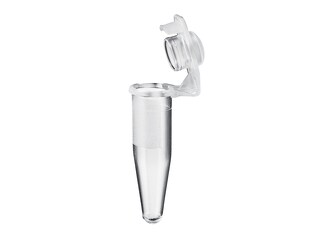
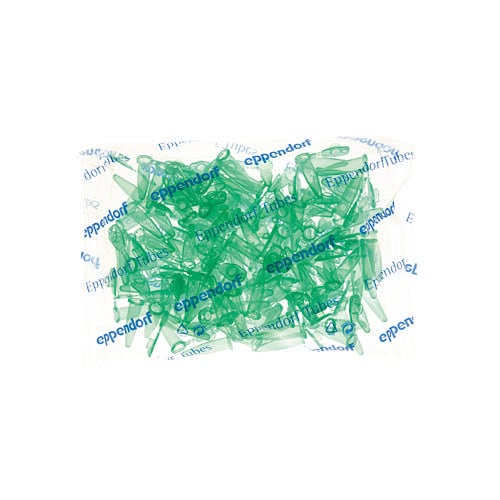
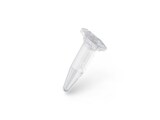
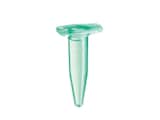
Microtube Safe-Lock en vert avec couvercle à fermeture sécurisée

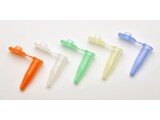
Sicherer Deckel und einfache Handhabung, in ausgewählten Farben je nach Ihrem Bedarf erhältlich
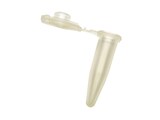
Microtube Safe-Lock en vert avec couvercle à fermeture sécurisée

Sicherer Deckel und einfache Handhabung, in ausgewählten Farben je nach Ihrem Bedarf erhältlich
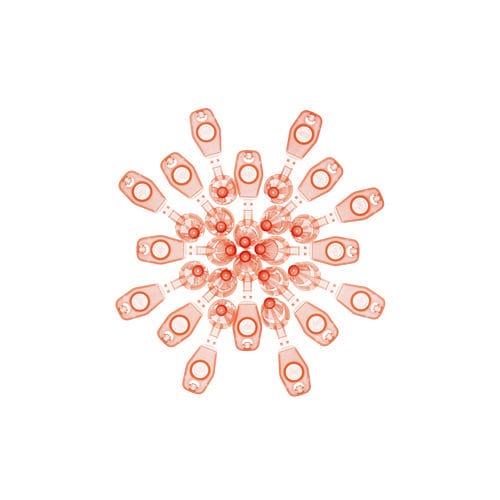
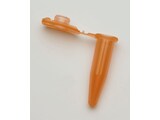
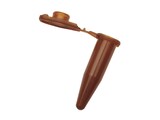
Microtube Safe-Lock en rouge avec couvercle à fermeture sécurisée

Sicherer Deckel und einfache Handhabung, in ausgewählten Farben je nach Ihrem Bedarf erhältlich
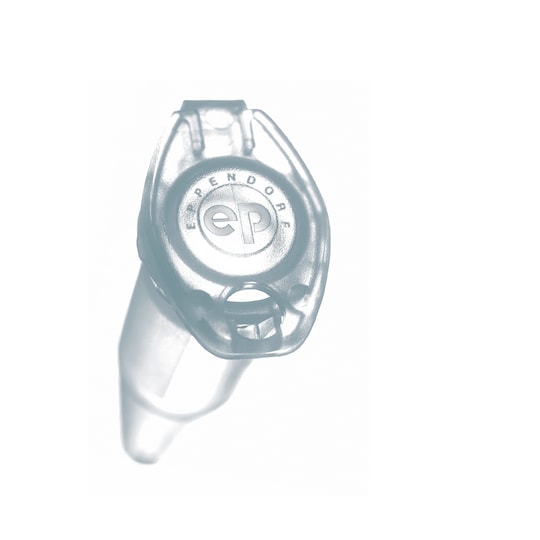
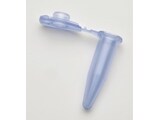
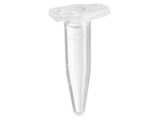
Microtube Safe-Lock® facile à sécuriser
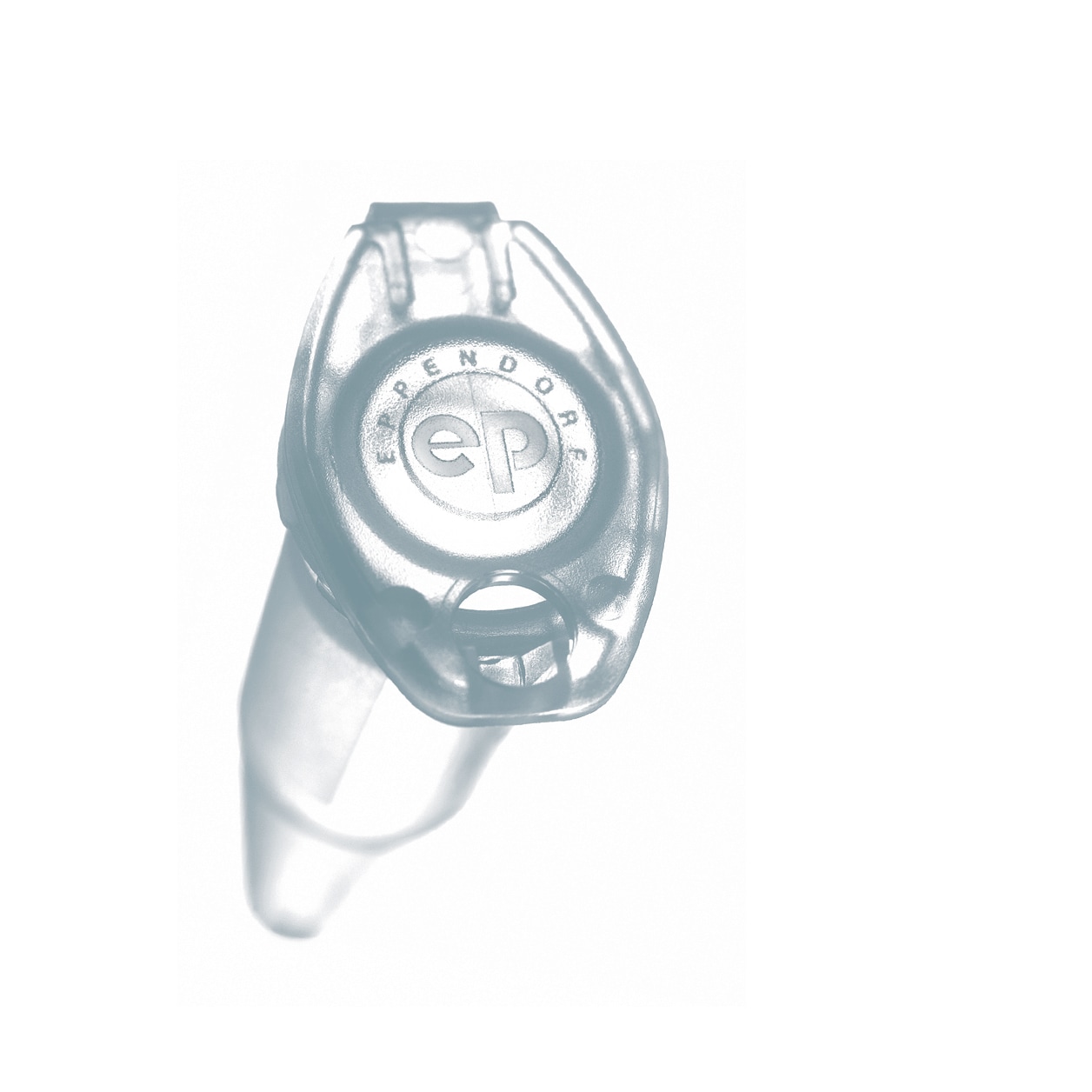
Verlässliches Safe-Lock Microtube ‒ erkennbar an dem „ep“ auf dem Deckel.
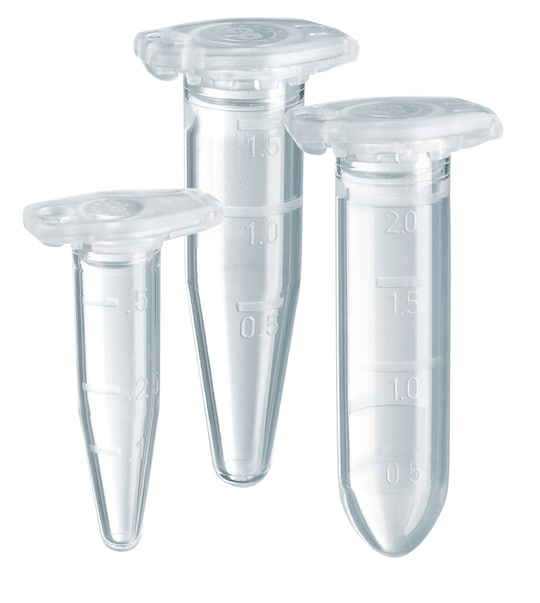
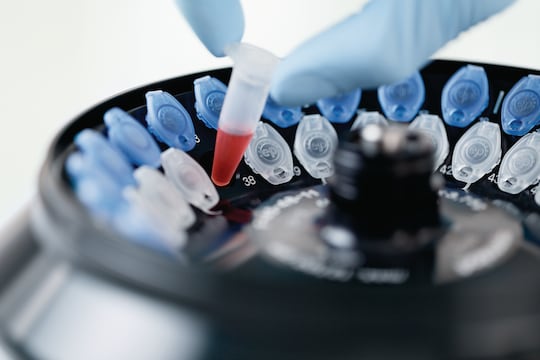
Informations produit
Vous en avez terminé avec les pertes de précieux échantillons pendant la centrifugation, l’incubation et le stockage ! Vous pouvez compter sur la protection exceptionnelle offerte par le couvercle à charnière Safe-Lock, résultat de 50 années d’amélioration et de développement continus du célèbre Eppi®. Faites confiance aux Eppendorf Safe-Lock® Tubes d’origine, parce que vos échantillons méritent ce qui se fait de mieux !
-
Certificats spécifiques à chaque lot (non applicable pour « Eppendorf Quality ») sur demande
-
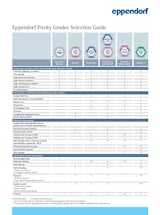
En savoir plus sur les degrés de pureté disponible d'Eppendorf
Vous trouverez plus d’informations à télécharger au bas de cette page
Produits (30)
Accessoires (1)
|
Eppendorf Safe-Lock® Tubes
Prix
57.10 CHF
Faire une demande
|
|
Eppendorf Safe-Lock® Tubes
Prix
75.80 CHF
Faire une demande
|
|
Eppendorf Safe-Lock® Tubes
Prix
75.80 CHF
Faire une demande
|
|
Eppendorf Safe-Lock® Tubes
Prix
75.80 CHF
Faire une demande
|
|
Eppendorf Safe-Lock® Tubes
Prix
75.80 CHF
Faire une demande
|
|
Eppendorf Safe-Lock® Tubes
Prix
61.90 CHF
Faire une demande
|
|
Eppendorf Safe-Lock® Tubes
Prix
68.60 CHF
Faire une demande
|
|
Eppendorf Safe-Lock® Tubes
Prix
82.50 CHF
Faire une demande
|
|
Eppendorf Safe-Lock® Tubes
Prix
63.30 CHF
Faire une demande
|
|
Eppendorf Safe-Lock® Tubes
Prix
39.30 CHF
Faire une demande
|
Ajouté à votre panier
Informations produit
Caractéristiques
Informations produit
Sachez que votre échantillon est entre de bonnes mains avec les Safe-Lock microtubes ! Avec une excellente résistance à la centrifugation et des propriétés d’étanchéité optimisées, vous pouvez compter sur la protection exceptionnelle offerte par le couvercle à charnière Safe-Lock ; il est le résultat de 50 ans d’amélioration et de développement continus. Faites confiance aux Eppi®, Eppendorf Safe-Lock Tubesd’origine, parce que vos échantillons méritent ce qui se fait de mieux !
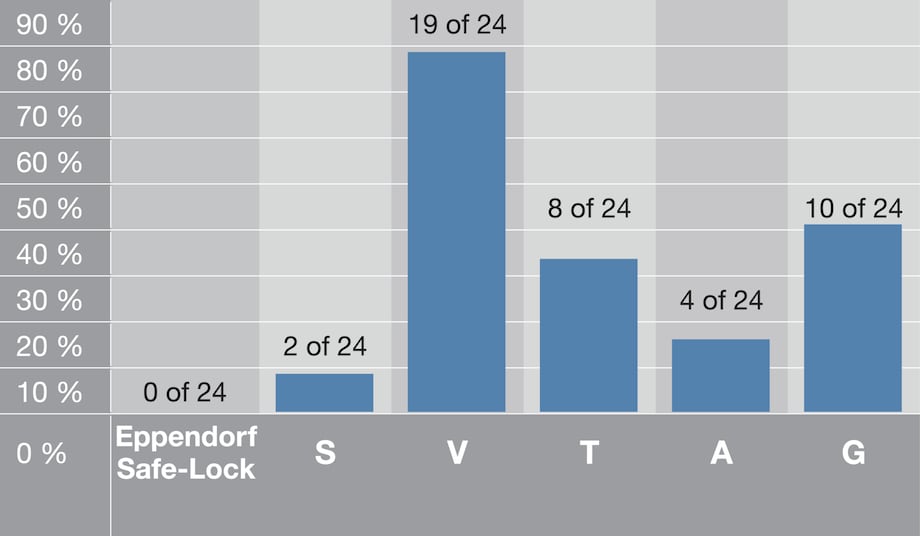
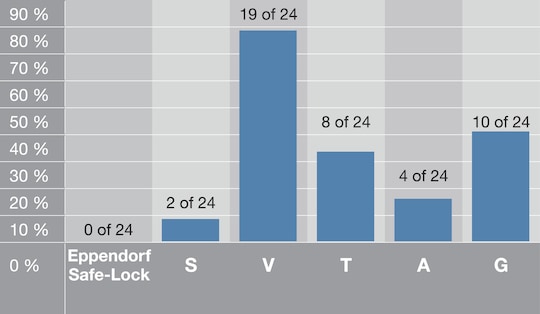
Fermeture supérieure du couvercle avec les microtubes Safe-Lock
toujours identifiables à leur marquage « ep » dans le couvercle, les microtubes Safe-Lock offrent une fermeture supérieure du couvercle et une protection des échantillons grâce à un couvercle à charnière, conçu pour empêcher toute ouverture accidentelle. Qu'il s'agisse d'échantillons précieux ou de tampons volatils, le microtube Safe-Lock reste fermement fermé alors que d'autres s'ouvrent, compromettant ainsi l'intégrité de votre échantillon. Voir la note d'application 164 pour les détails d'une étude comparative.
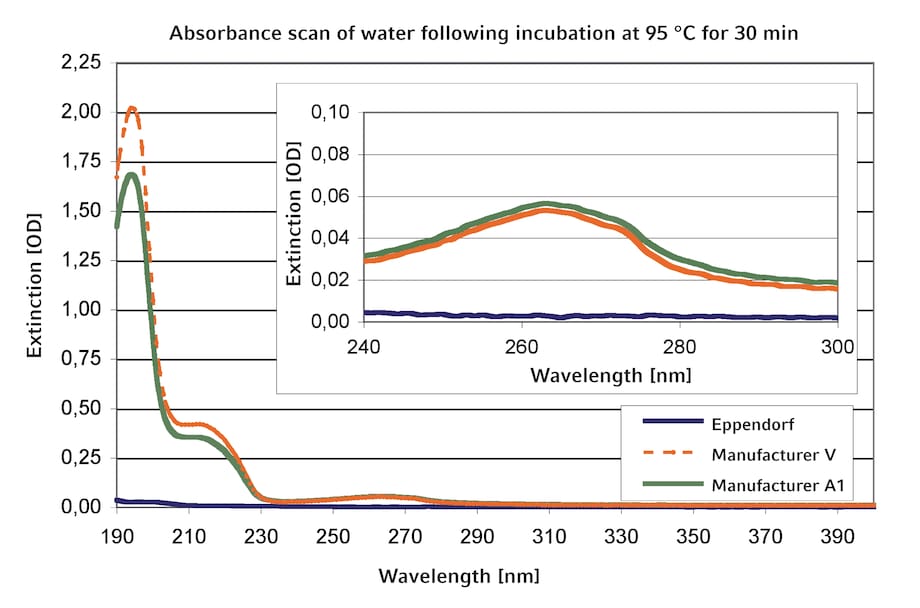
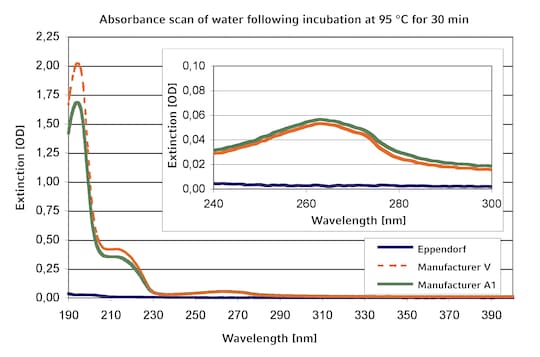
Une intégrité inégalée des échantillons
Ne vous inquiétez plus des résultats variables dus à la dégradation et à la contamination des échantillons. Les microtubesSafe-Lock sont fabriqués sans utiliser d'agents de démoulage, de plastifiants et de biocides afin de garantir que l'intégrité de l'échantillon est toujours préservée.
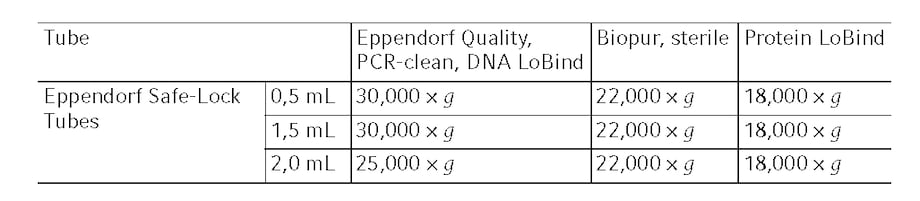
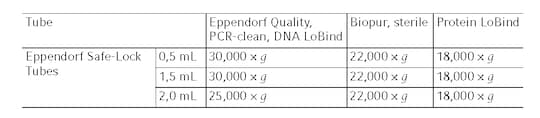
Sécurité maximale à grande vitesse grâce au couvercle Safe-Lock
Conçu pour résister à des forces de centrifugation allant jusqu'à 30 000 x g, les microtubes Eppendorf Safe-Lock vous permettent de centrifuger en toute sécurité à des forces très élevées tout en préservant l'intégrité de l'échantillon et en éliminant toute perte d'échantillon.


Disposal of Eppendorf Safe-Lock Tubes and their packaging material
Recycling of materials becomes more and more important every day. E.g. in Europe almost 100 % of cardboard material is already recycled. The packaging material of the Eppendorf Safe-Lock Tubes is made of different materials – for the most part made from cardboard.
Eppendorf consumables and thus also Eppendorf Tubes are shipped in packaging in which both the shipping carton and the folding carton consist of at least 92 % recycled cardboard. To reduce packaging material, many product versions are delivered in bulk-bags with 500 tubes per bag.
Please support our global sustainability initiative of recycling valuable raw material by collecting the cardboard packaging material of tubes. Dispose of the packaging material in the designated collection containers in your organization and region. In respect to the wrapping foils made of Polyethylene (PE) we recommend you select a dedicated recycling partner where PE material can be recycled. Contact your facility or local waste management company to understand the available recycling options for your organization.
After usage, the tubes themselves are defined as potentially being contaminated. This contamination can be based on biohazard, chemical hazard, or even nuclear hazard. Therefore, recycling of these vessels can be challenging. In many countries, critical waste must be burned due to legal restrictions. However, energy and heat can be recovered from thermal recycling of contaminated laboratory consumables.
To reduce the amount of critical plastic waste, you should use at least two waste containers: One for critical waste and one for non-critical waste. The definition of these two groups may depend on local regulations and should be communicated/ trained in your lab accordingly. For further local waste recycling options please contact your local biosafety officer and your local waste management.
We strongly recommend a certified local recycling partner. Keeping it "local" will reduce the impact of transportation, and the "certified" aspect is recommended due to the safe and sustainable handling of lab waste.
Téléchargements: Eppi® – Eppendorf Safe-Lock® Tubes
Contenu