菜单
CN | CNY

CN | CNY
Sorry, we couldn't find anything on our website containing your search term.
Sorry, we couldn't find anything on our website containing your search term.

Influence of Physical Parameters on the Dispensed Volume of Air-Cushion Pipette
探索生命科学
- 维护与校准
- 文章
- 令人鼓舞的科学技术
The surrounding in the laboratory e.g., humidity, altitude and temperature, as well as the liquid properties of a sample itself like viscosity, volatility or density have a tremendous influence on the pipetting result. Each factor influences the pipetting volume and with this the experimental result in a different way. So a liquid temperature other than 22 °C already leads to less or excessive volume delivery. Or a dense liquid like phosphoric acid leads to constant insufficient liquid volume. All factors have to be considered during daily pipetting tasks and especially during calibration of a pipette. So consider our recommendations to improve your daily pipetting work.
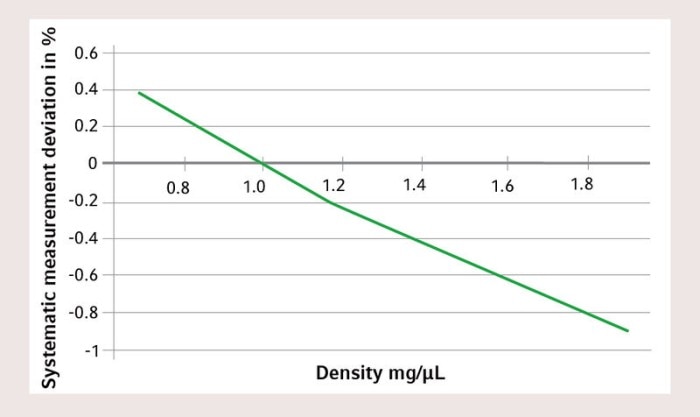
Impact on the systematic accuracy of a pipette with liquid densities deviating from the density of water. When using dense liquids the pipette needs to be adjusted for proper volume delivery.
查看更多
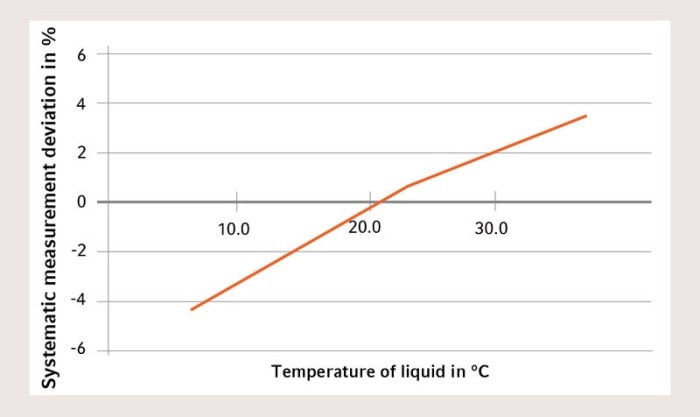
Liquid temperatures other than 22 °C lead to systematic measurement deviations if forward pipetting technique is performed. Therefore another pipetting technique like reverse pipetting or a different pipette type like a direct replacement system should be considered.
查看更多
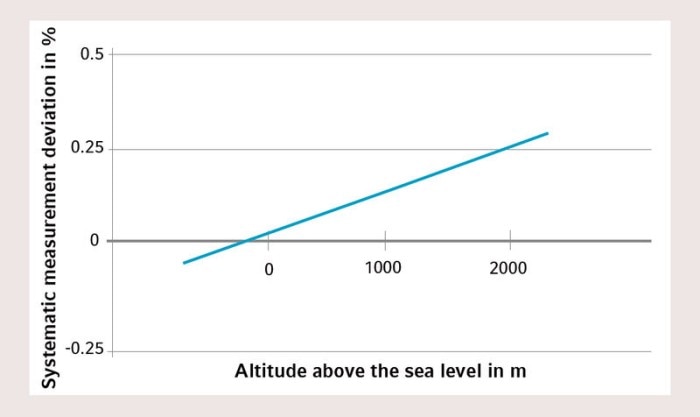
Pipettes are calibrated to an altitude of 0 m sea level. Different altitudes lead to higher systematic errors and can only be beaten by a permanent adjustment of the pipette.
查看更多
If you want to read more about the influence of physical parameters on the dispensed volume of air-cushion pipette, please download our Userguide!
查看更多
Related documents

User guide
PDF
