MENU
BR | BRL

BR | BRL
-
- Todas as pipetas, dispensadores e equipamentos para manuseio de líquidos automatizados
- All Micropipettes
- Pipetas mecânicas
- Pipetas eletrônicas
- Pipetas multicanal
- Pipetas de deslocamento positivo e dispensadores
- Dispensadores de frascos
- Controladores de pipeta
- Acessórios para dispensadores e pipetas
- Pipetagem Automatizada
- Consumíveis de automação
- Acessórios de automação
- Serviços para pipetas e equipamentos para manuseio de líquidos
Sorry, we couldn't find anything on our website containing your search term.
Sorry, we couldn't find anything on our website containing your search term.
- Home
- Beyond Science
- Off the Bench
- Inspiring Science
- Eisbohrkern
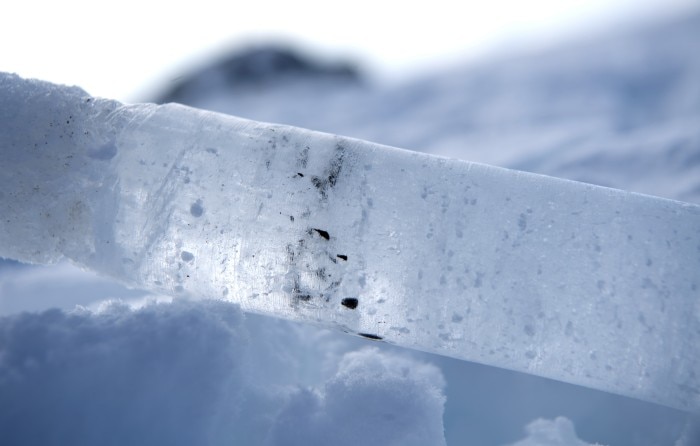
Climate History: Cold Hard Proof
Explore Life Science
- Off the Bench
- Inspiring Science
A continuous, 2.8 kilometer-long ice core provides insight into climate data spanning the past 1.2 million years.
An international team of researchers, in collaboration with the Alfred Wegener Institute (AWI), has recovered a continuous Antarctic ice core which bears information on the climate, dating back 1.2 million years. This discovery is considered a historic milestone in climate research. The longest continuous ice core previously to date was recovered in 2004, also in Antarctica, and dated back approximately 800,000 years. The scientists from the project “Beyond EPICA – Oldest Ice”, funded by the European Commission, are hoping that this new ice core will provide them with insights into the climate dynamics of the middle Pleistocene – a geological period during which ice-age cycles slowed from 41,000 years to 100,000 years. To this day, this phenomenon is considered to be one of the major riddles of climate science
According to a statement by the AWI, understanding the frequency of ice-age cycles is not only important for the past history of the planet, and humanity, but also for our future. This ice core, together with additional ice cores, was transported to Europe by ship, at great expense. In early summer, intensive research will commence in the ice laboratory of the AWI in Bremerhaven.
According to a statement by the AWI, understanding the frequency of ice-age cycles is not only important for the past history of the planet, and humanity, but also for our future. This ice core, together with additional ice cores, was transported to Europe by ship, at great expense. In early summer, intensive research will commence in the ice laboratory of the AWI in Bremerhaven.
Ler mais