MENU
IT | EUR
-
-
-
- WHX Labs Dubai 2026
- analytica 2026
- Forum Labo 2026
- SLAS Europe 2026
- Forum Labo 2026 Bioprocess
- Bioprocessing Summit Europe 2026
- BioProcess International 2026
- Swiss Biotech Day 2025
- ISCT 2026
- Pichia 2026
- Future Labs Live 2026
- BioProScale Sympposium 2026
- ASGCT 2026
- Eppendorf Automation Forum 2026
- ESACT 2026
- ECB 2026
- WoTS 2026
- SIMB Annual Meeting 2026
- ELRIG Drug Discovery 2026
-
-
- Assistenza per Mastercycler
- Assistenza per l'automazione
- Assistenza per ultracongelatori
- Assistenza per incubatori
- Assistenza per agitatori
- Assistenza per regolazione termica e miscelazione
- Assistenza per pipette
- Assistenza per bioprocessi
- Assistenza per centrifughe e rotori
- Calibrazione per pipette nuove

-
-
-
- WHX Labs Dubai 2026
- analytica 2026
- Forum Labo 2026
- SLAS Europe 2026
- Forum Labo 2026 Bioprocess
- Bioprocessing Summit Europe 2026
- BioProcess International 2026
- Swiss Biotech Day 2025
- ISCT 2026
- Pichia 2026
- Future Labs Live 2026
- BioProScale Sympposium 2026
- ASGCT 2026
- Eppendorf Automation Forum 2026
- ESACT 2026
- ECB 2026
- WoTS 2026
- SIMB Annual Meeting 2026
- ELRIG Drug Discovery 2026
-
-
- Assistenza per Mastercycler
- Assistenza per l'automazione
- Assistenza per ultracongelatori
- Assistenza per incubatori
- Assistenza per agitatori
- Assistenza per regolazione termica e miscelazione
- Assistenza per pipette
- Assistenza per bioprocessi
- Assistenza per centrifughe e rotori
- Calibrazione per pipette nuove
IT | EUR
-
- Tutte le pipette, i dispenser e i sistemi automatizzati per la manipolazione dei liquidi
- Tutte le micropipette
- Pipette meccaniche
- Pipette elettroniche
- Pipette multicanale
- Pipette a spostamento positivo e dispenser
- Dispenser per flaconi
- Ausili di pipettaggio
- Accessori per dispenser e pipette
- Pipettaggio automatizzato
- Consumabili per l'automazione
- Accessori per l'automazione
- Servizi per sistemi di manipolazione dei liquidi e pipette
Sorry, we couldn't find anything on our website containing your search term.
Sorry, we couldn't find anything on our website containing your search term.
How to identify Mycoplasma contamination in your cell culture
Lab Academy
- Biologia cellulare
- Cell Therapy
- Consumabili per colture cellulari
- Incubatori a CO2
- Saggio
Macroscopic detection
Mycoplasma-positive cell cultures show no visible changes to the media.Microscopic detection
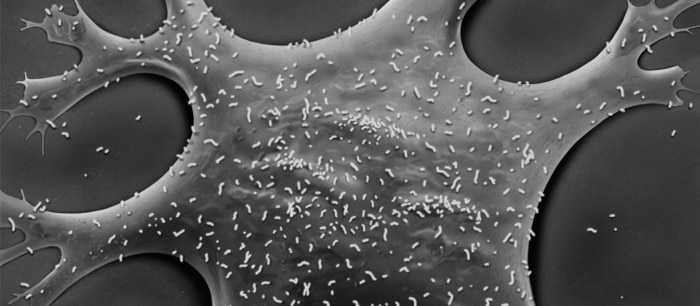
Mycoplasma are only about 0.1 - 0.3 µm in diameter, therefore detection via brightfield microscopy is not possible. This lack of visible signs of infection increases the risk of mycoplasma-positive cells remaining unnoticed.Experiments carried out with mycoplasma-infected cells may yield false, misleading and non-reproducible results. It is therefore crucial to test all cultures for mycoplasma on a regular basis. One simple method employs DNA staining; however, this method presents certain drawbacks. This table provides an overview of the advantages and disadvantages of different mycoplasma detection methods.
The method you will select may depend on one or more of the following:
- Access to the required equipment (for example thermocycler, fluorescence microscope, etc.).
- How many samples need to be tested at once.
- How urgently you need the results (the longer the testing procedure the higher the risk of spreading the contamination).
Approfondisci
Related documents

White paper
PDF
Overview
PDF 0,19 MB
Download
PDF 1,63 MB
Application Note
PDF
Related links
Approfondisci