メニュー
JP | JPY
-
-
-
- Challenges and Chances: A Review of the 1st Stem Cell Community Day
- Summertime, and the Livin’ Is Easy…
- Follow-on-Biologics – More than Simple Generics
- Bacteria Versus Body Cells: A 1:1 Tie
- Behind the Crime Scene: How Biological Traces Can Help to Convict Offenders
- Every 3 Seconds Someone in the World Is Affected by Alzheimer's
- HIV – It’s Still Not Under Control…
- How Many Will Be Convicted This Time?
- Malaria – the Battle is Not Lost
- Physicians on Standby: The Annual Flu Season Can Be Serious
- At the Forefront in Fighting Cancer
- Molecular Motors: Think Small and yet Smaller Again…
- Liquid Biopsy: Novel Methods May Ease Cancer Detection and Therapy
- They Are Invisible, Sneaky and Disgusting – But Today It’s Their Special Day!
- How Many Cells Are in Your Body? Probably More Than You Think!
- What You Need to Know about Antibiotic Resistance – Findings, Facts and Good Intentions
- Why Do Old Men Have Big Ears?
- The Condemned Live Longer: A Potential Paradigm Shift in Genetics
- From Research to Commerce
- Chronobiology – How the Cold Seasons Influence Our Biorhythms
- Taskforce Microbots: Targeted Treatment from Inside the Body
- Eyes on Cancer Therapy
-
-

-
-
-
- Challenges and Chances: A Review of the 1st Stem Cell Community Day
- Summertime, and the Livin’ Is Easy…
- Follow-on-Biologics – More than Simple Generics
- Bacteria Versus Body Cells: A 1:1 Tie
- Behind the Crime Scene: How Biological Traces Can Help to Convict Offenders
- Every 3 Seconds Someone in the World Is Affected by Alzheimer's
- HIV – It’s Still Not Under Control…
- How Many Will Be Convicted This Time?
- Malaria – the Battle is Not Lost
- Physicians on Standby: The Annual Flu Season Can Be Serious
- At the Forefront in Fighting Cancer
- Molecular Motors: Think Small and yet Smaller Again…
- Liquid Biopsy: Novel Methods May Ease Cancer Detection and Therapy
- They Are Invisible, Sneaky and Disgusting – But Today It’s Their Special Day!
- How Many Cells Are in Your Body? Probably More Than You Think!
- What You Need to Know about Antibiotic Resistance – Findings, Facts and Good Intentions
- Why Do Old Men Have Big Ears?
- The Condemned Live Longer: A Potential Paradigm Shift in Genetics
- From Research to Commerce
- Chronobiology – How the Cold Seasons Influence Our Biorhythms
- Taskforce Microbots: Targeted Treatment from Inside the Body
- Eyes on Cancer Therapy
-
-
JP | JPY
Sorry, we couldn't find anything on our website containing your search term.
- Consumables Resources
Consumables Resources
もっと読む
Circular concepts for us are regenerative systems, in which resource use, waste production, and emissions are minimized by slowing, reducing, and closing natural resource cycles - this can be achieved through dematerialization, the use of more sustainable raw materials, and a Design for Reuse and Recycling. In our understanding, Circular concepts also include a maximum servicability and durability of products as well as prevention of potential negative environmental and social impacts.
"We have set specific targets and backed them up with clear KPIs and measures, which we will monitor regularly at Eppendorf starting in 2023. This ensures that there are defined persons responsible for achieving the targets and that the progress of defined measures is transparently trackable" – Samira Bebermeier, Manager Product Sustainability and Resources.
As part of the Eppendorf strategy, we have set ourselves a number of goals for the protection of natural resources and the achievement of SDG 12. Particularly relevant topics for us are the responsible use of our consumables and packaging, for which we have defined concrete targets and measures.
"We have set specific targets and backed them up with clear KPIs and measures, which we will monitor regularly at Eppendorf starting in 2023. This ensures that there are defined persons responsible for achieving the targets and that the progress of defined measures is transparently trackable" – Samira Bebermeier, Manager Product Sustainability and Resources.
As part of the Eppendorf strategy, we have set ourselves a number of goals for the protection of natural resources and the achievement of SDG 12. Particularly relevant topics for us are the responsible use of our consumables and packaging, for which we have defined concrete targets and measures.
もっと読む
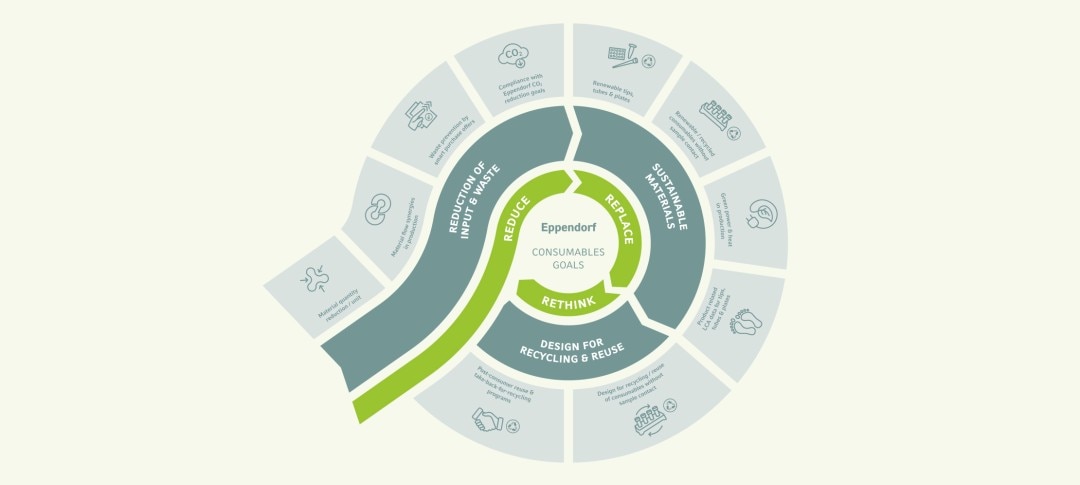
Reduce
Replace
Rethink
In principle, reduction targets should be compatible with our climate protection goals. What does that mean in practice? For example, that aspects such as the CO2 backpack are taken into account when selecting materials. Regarding material efficiency in consumables, optimization has been conducted for some products. However, there is still potential in the upstream production processes. Thus, we intend to review material flows in production with the aim of further reducing waste volumes and passing on valuable waste materials that are no longer needed to neighboring industries for the manufacture of other products. We also want to
increasingly consider local suppliers for services. making use of environmentally friendly forms of transportation
increasingly consider local suppliers for services. making use of environmentally friendly forms of transportation
We see great innovation potential for consumables with sample contact in the use of renewable instead of fossil primary raw
materials. Eppendorf has set itself the goal of offering at least one more sustainable product in each consumable's product family by 2028, consisting of biobased materials derived from industrial waste. This principle is already successfully implemented in Eppendorf Tubes® BioBased, epT.I.P.S.® BioBased, and Eppendorf twin.tec® PCR Plates Biobased without any qualitative differences compared to our own fossil-based consumables. For consumables without sample contact, Eppendorf goes one step further and intends to replace at least 30% of the fossil-based primary raw materials by 2028 compared to 2022.
materials. Eppendorf has set itself the goal of offering at least one more sustainable product in each consumable's product family by 2028, consisting of biobased materials derived from industrial waste. This principle is already successfully implemented in Eppendorf Tubes® BioBased, epT.I.P.S.® BioBased, and Eppendorf twin.tec® PCR Plates Biobased without any qualitative differences compared to our own fossil-based consumables. For consumables without sample contact, Eppendorf goes one step further and intends to replace at least 30% of the fossil-based primary raw materials by 2028 compared to 2022.
Recycling and reuse of consumables with sample contact is still unthinkable today, at least on a larger scale. For safety reasons, most
of them are still incinerated. However, Eppendorf has set itself certain goals with regard to consumables that do not come into
contact with samples. By 2028, for example, they are to be designed in such a way that 100% of them can flow into public recycling
streams as high-quality secondary raw materials. In addition, we want to introduce take-back and recycling systems for tip racks in
five countries by 2025.
of them are still incinerated. However, Eppendorf has set itself certain goals with regard to consumables that do not come into
contact with samples. By 2028, for example, they are to be designed in such a way that 100% of them can flow into public recycling
streams as high-quality secondary raw materials. In addition, we want to introduce take-back and recycling systems for tip racks in
five countries by 2025.
Discover initiatives for Reduce | Replace | Rethink consumables
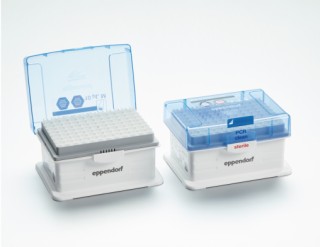
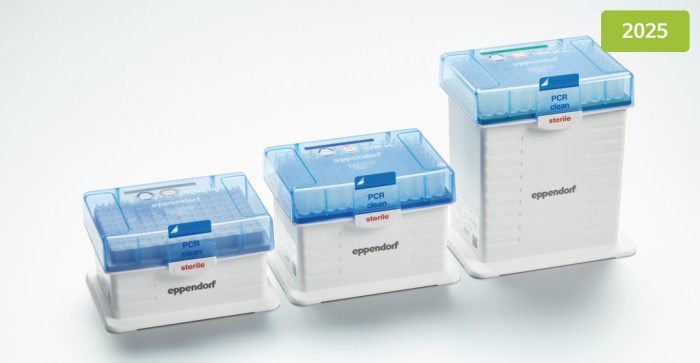
REDUCE – epT.I.P.S.® Reloads: Less packaging
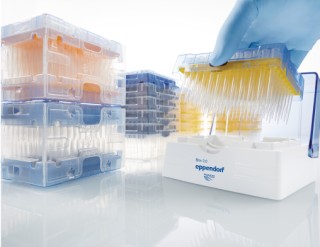
REDUCE – epT.I.P.S.® Reloads: Less packaging

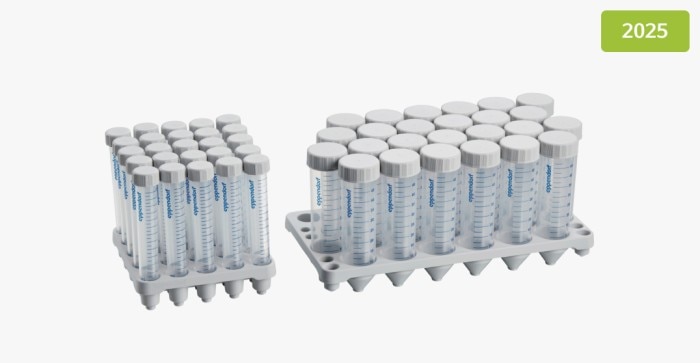
REDUCE – Eppendorf Tubes® 5.0 mL
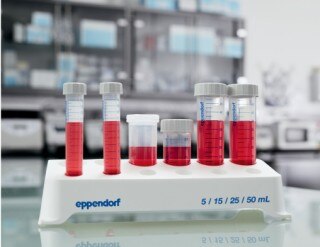
REDUCE – Eppendorf Conical Tubes 25 mL
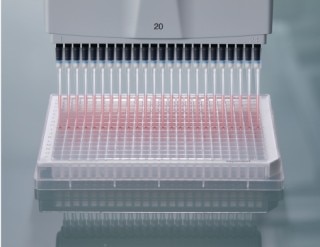
REDUCE – 384-well system: Miniaturisation
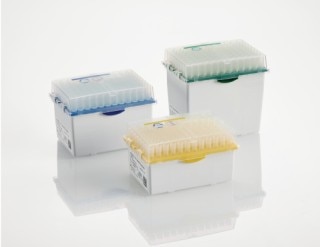
REDUCE – Sterile Reloads Less plastic
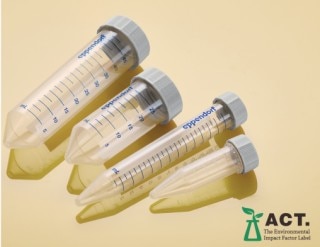
REPLACE – Eppendorf Tubes® BioBased
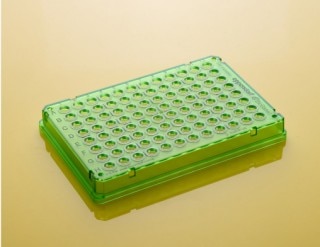
REPLACE – Eppendorf twin.tec® PCR Plates BioBased
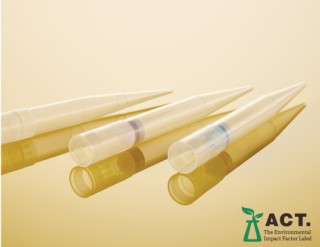
REPLACE – epT.I.P.S.® BioBased
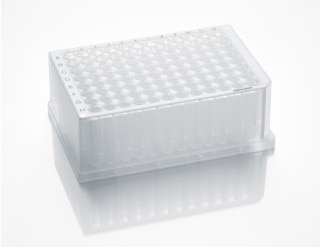
REPLACE – Eppendorf Deepwell Plates BioBased
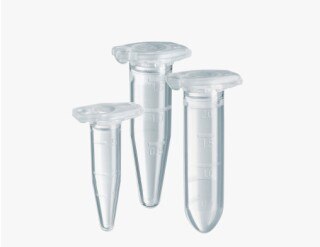
REPLACE – Eppendorf Safe-Lock® Tubes BioBased
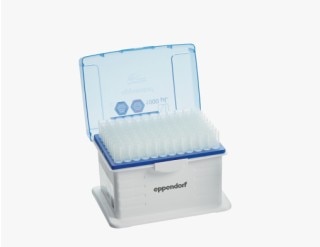
REPLACE – Recycled consumables without sample contact
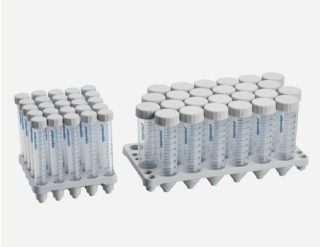
RETHINK – Single-use Tube Racks
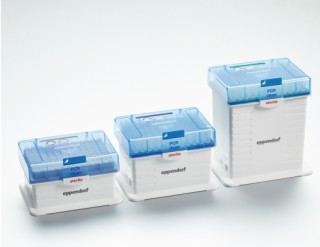
RETHINK – Used Tip Racks