-
-
-
- Challenges and Chances: A Review of the 1st Stem Cell Community Day
- Summertime, and the Livin’ Is Easy…
- Follow-on-Biologics – More than Simple Generics
- Bacteria Versus Body Cells: A 1:1 Tie
- Behind the Crime Scene: How Biological Traces Can Help to Convict Offenders
- Every 3 Seconds Someone in the World Is Affected by Alzheimer's
- HIV – It’s Still Not Under Control…
- How Many Will Be Convicted This Time?
- Malaria – the Battle is Not Lost
- Physicians on Standby: The Annual Flu Season Can Be Serious
- At the Forefront in Fighting Cancer
- Molecular Motors: Think Small and yet Smaller Again…
- Liquid Biopsy: Novel Methods May Ease Cancer Detection and Therapy
- They Are Invisible, Sneaky and Disgusting – But Today It’s Their Special Day!
- How Many Cells Are in Your Body? Probably More Than You Think!
- What You Need to Know about Antibiotic Resistance – Findings, Facts and Good Intentions
- Why Do Old Men Have Big Ears?
- The Condemned Live Longer: A Potential Paradigm Shift in Genetics
- From Research to Commerce
- Chronobiology – How the Cold Seasons Influence Our Biorhythms
- Taskforce Microbots: Targeted Treatment from Inside the Body
- Eyes on Cancer Therapy
-
-

-
-
-
- Challenges and Chances: A Review of the 1st Stem Cell Community Day
- Summertime, and the Livin’ Is Easy…
- Follow-on-Biologics – More than Simple Generics
- Bacteria Versus Body Cells: A 1:1 Tie
- Behind the Crime Scene: How Biological Traces Can Help to Convict Offenders
- Every 3 Seconds Someone in the World Is Affected by Alzheimer's
- HIV – It’s Still Not Under Control…
- How Many Will Be Convicted This Time?
- Malaria – the Battle is Not Lost
- Physicians on Standby: The Annual Flu Season Can Be Serious
- At the Forefront in Fighting Cancer
- Molecular Motors: Think Small and yet Smaller Again…
- Liquid Biopsy: Novel Methods May Ease Cancer Detection and Therapy
- They Are Invisible, Sneaky and Disgusting – But Today It’s Their Special Day!
- How Many Cells Are in Your Body? Probably More Than You Think!
- What You Need to Know about Antibiotic Resistance – Findings, Facts and Good Intentions
- Why Do Old Men Have Big Ears?
- The Condemned Live Longer: A Potential Paradigm Shift in Genetics
- From Research to Commerce
- Chronobiology – How the Cold Seasons Influence Our Biorhythms
- Taskforce Microbots: Targeted Treatment from Inside the Body
- Eyes on Cancer Therapy
-
-
微量遠心機
Eppendorfの微量遠心機を選ぶ理由
自分に合ったEppendorfの微量超遠心機
Eppendorfの微量遠心機の価格情報
資料
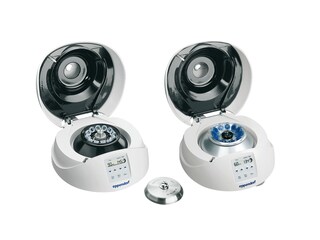
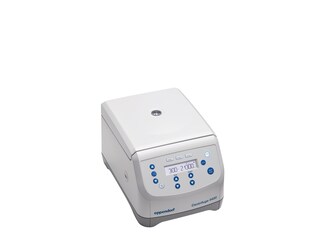
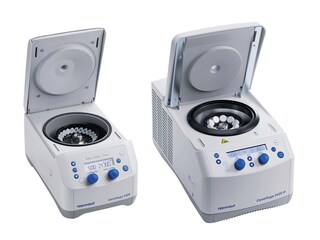

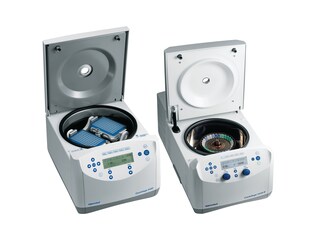
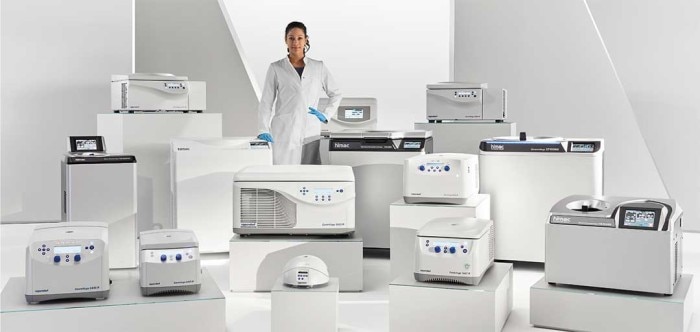
微量遠心機の力を明らかにする
弊社では、再現性と信頼性を備えた設計の微量遠心機を幅広くご用意しています。弊社の遠心機は、高度な機能、最先端技術、デジタル拡張オプションを搭載して、多様な科学のニーズに対応しています。これより下で、お客様固有の要件に最適な小型遠心機をお探しください。ショップをご覧いただくと、ポートフォリオ全体と微量遠心機の価格が詳しくわかります。
もっと読む
微量遠心機の詳細
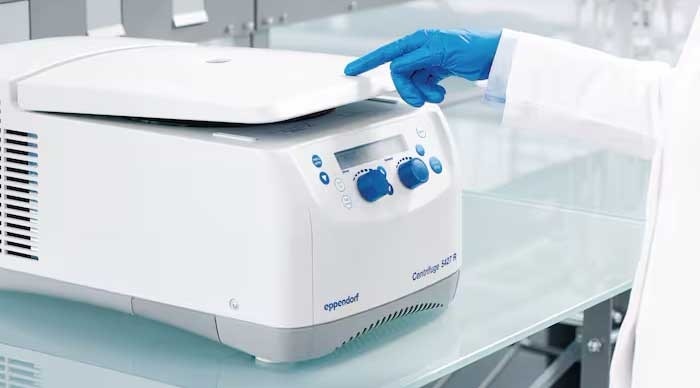
微量遠心機は非常に重要な実験室のツールで、密度と大きさに基づいて物質を分離するために使用します。コンパクトながら強力なこの装置は、サンプルを高速で回転して遠心力を生み出し、密度の濃い成分を分離して、チューブの底に移動させます。この分離プロセスは、分子生物学、生物化学、臨床研究など、さまざまなアプリケーションに欠かせないものです。
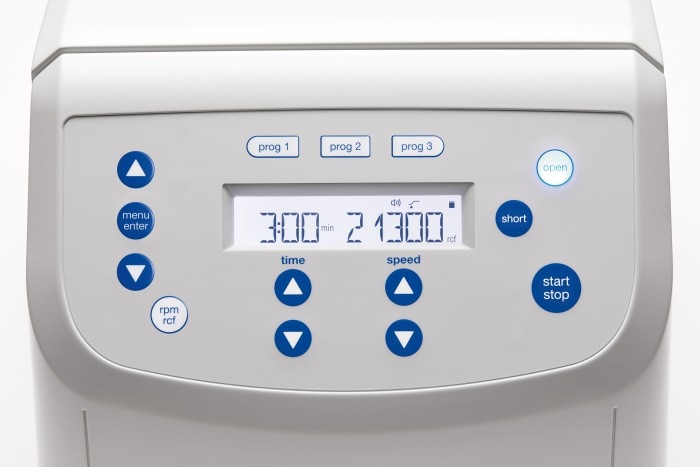
微量遠心機の主な特徴は、設置面積が小さいこと、ノイズレベルが低いこと、操作がユーザーにわかりやすことです。小型遠心機にも、回転速度と時間設定を調整できる機能や、温度制御機能もあるため、研究者は、実験ごとに遠心分離パラメーターを調整できます。
その他のコンポーネントとして、円滑な運転のためのインバランス検出システムや、遠心分離プロセスを監視して制御するためのディスプレイパネルがあります。
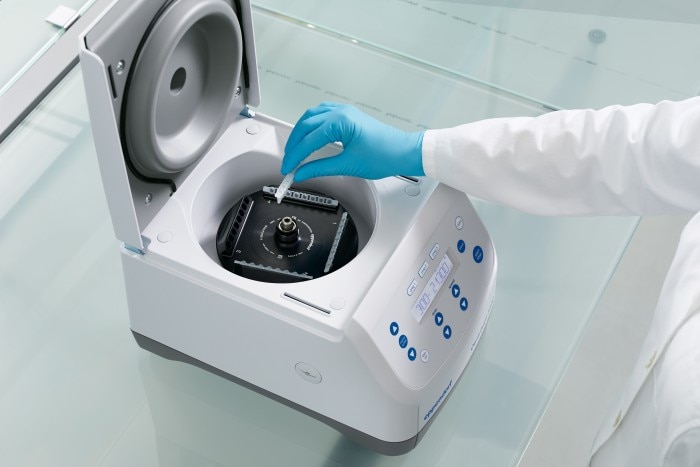
研究や実験室の環境で微量遠心機を使用するメリットはたくさんあります。これらの装置を使用すると、迅速かつ効率的なサンプルの処理が可能で、実験の貴重な時間を節約できます。また、用途が幅広く、さまざまなサイズと種類のチューブに対応しています。さらに、サイズがコンパクトで運転が静かなため、小規模な実験室や共有ワークスペースに最適です。
Eppendorfは、質の高い微量遠心機の主要なメーカーで、優れた性能と信頼性を実現します。Eppendorfの微量遠心機には多様なモデルとアクセサリーがあり、科学者たちの個別の研究や実験室のアプリケーションの理想的なソリューションとなっています。
Eppendorfの微量遠心機を選ぶ理由
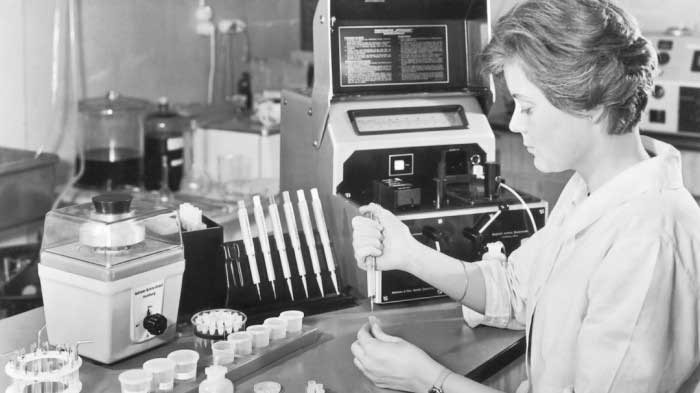
Eppendorfには、 微量遠心機開発の豊かな歴史 があります。1964年、弊社は、Eppendorfマイクロリットルシステムに不可欠なものとして、初めての微量遠心機を売り出し、世界中の生命科学研究の業務に大きな変革をもたらしました。
現在、弊社の包括的な微量遠心機が、実験室の多様なニーズを満たしています。高品質の微量遠心機には、変更可能な回転速度制御、温度制御、いくつものローターの種類など、高度なオプションが用意されており、さまざまなサンプルの要件に対応しています。弊社の小型遠心機は、耐久性とユーザーの使いやすさを求めて作成されており、最小限のメンテナンスで効率的な運転を保証します。
Eppendorfの微量遠心機の特徴をなす因子の1つは、多様なアプリケーションに対応する上での用途の広さです。取り扱うものが分子生物学、細胞生物学、ゲノム、プロテオミクス、あるいはその他の生命科学の分野のいずれであっても、Eppendorfの微量遠心機は、お客様の厳密な要件を満たすよう設計されています。DNAまたはRNAのペレット化から、タンパク質の分離まで、Eppendorfの微量遠心機は、信頼性の高い一貫した結果を出します。
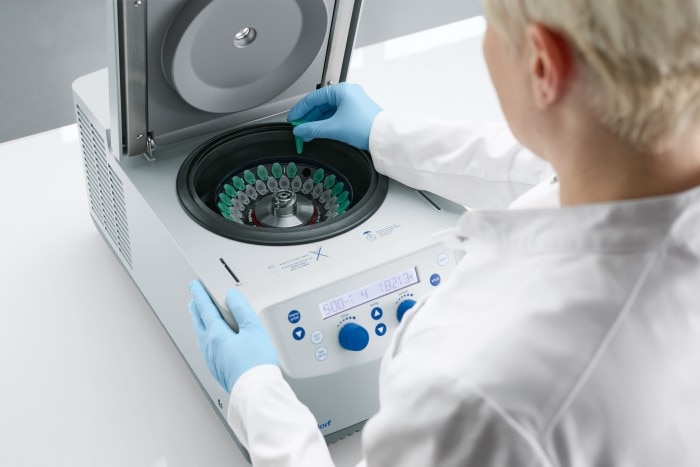
弊社は、小型遠心機モデルから、より規模の大きいアプリケーション向けの大容量の選択肢まで、包括的なポートフォリオをご用意しています。最先端技術と革新的な機能が搭載されたEppendorfの微量遠心機は、効率的で正確な遠心分離を保証します。
Eppendorfの微量遠心機をお選びいただくと、数々のメリットを期待できます。そのことが、世界中の研究者に好まれる理由となっています。これらのメリットには、サンプルの最適な分離を実現する最先端のローター技術、操作を簡単にするわかりやすいインターフェース、コンパクトでスペースを取らない設計、サンプルとユーザーを守る安全機能があります。また、Eppendorfの微量遠心機は、耐久性、信頼性、耐用年数の長さでも知られており、あらゆる実験室にとって賢い投資になります。
自分に合ったEppendorfの微量超遠心機
アプリケーション固有の要件
まず、最高回転速度や容量、ローターの種類など、微量遠心機の性能に直接影響する因子について考えます。アプリケーションが違えば回転速度や容量の性能も変わるため、お客様固有の要件に合った遠心機を選ぶことが重要です。
微量遠心機にはアングルローターとスイングローターのどちらが適切?
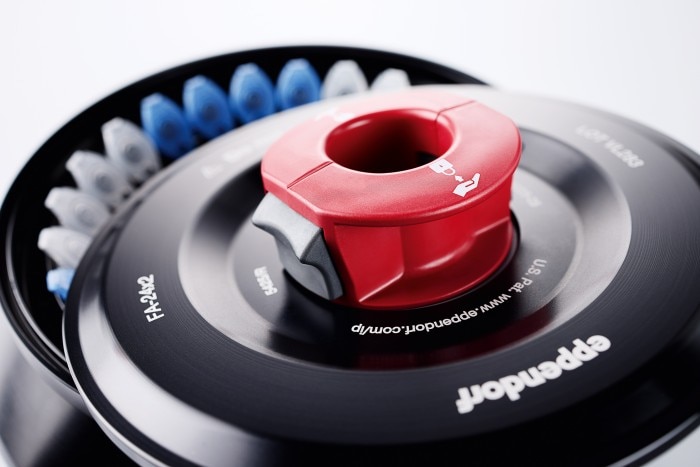
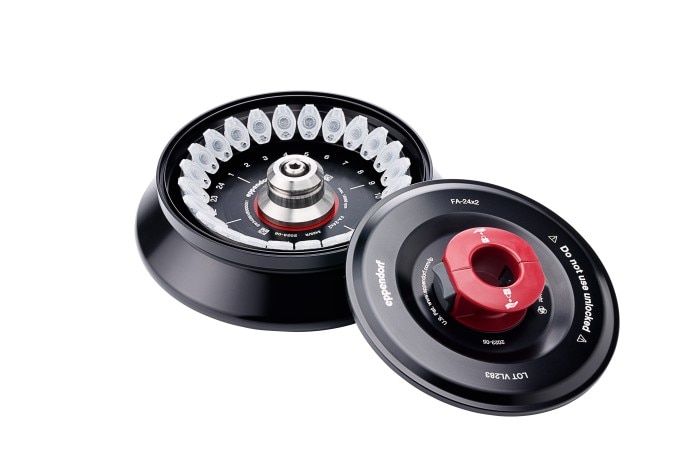
微量遠心機のローターは、デザインと機能に基づいて分類できます。たとえば、遠心機のアングルローターとスイングローターは、使用目的が異なります。アングルローターはクイックスピンや沈降に最適で、スイングローターは、密度グラジエントを利用したサンプルの分離に適しています。
お客様の研究内容に合った特別な設定オプション
最大遠心加速度や温度制御、プログラム可能性などの仕様について考えることも非常に重要です。最大遠心加速度は、サンプルの適切な分離を保証します。温度制御はサンプルの整合性を維持し、プログラム可能性は、遠心分離プロトコルをカスタマイズして最適な結果を得ることを可能にします。
微量遠心機の選択にはいくつかの考慮事項があり、その微量遠心機がお客様固有のニーズに合っていることを保証します。働く場所が研究室か、臨床環境か、科学的な環境かに関わらず、適切な微量遠心機であることが、作業効率や結果に大きく影響します。
微量遠心機の価格
Eppendorfの微量遠心機の価格は、モデルや冷却機能、付属のローター、リッド、アクセサリーなど、さまざまな要因で変わります。通常、価格は容量で高くなります。また、空冷(冷却機能なし)モデルは、冷却機能付きのバージョンより安価な場合が多いです。これは、冷却機能には、冷却用の部品が別途必要になるためです。微量遠心機の価格の詳細については、個々の製品ページをご覧いただくか、 弊社の営業チームにお問い合わせください 。
もっと読む
Eppendorfの微量遠心機の特徴をなす因子の1つは、多様なアプリケーションに対応する上での用途の広さです。取り扱うものが分子生物学、細胞生物学、ゲノム、プロテオミクス、あるいはその他の生命科学の分野のいずれであっても、Eppendorfの微量遠心機は、お客様の厳密な要件を満たすよう設計されています。DNAまたはRNAのペレット化から、タンパク質の分離まで、Eppendorfの微量遠心機は、信頼性の高い一貫した結果を出します。
Eppendorfは、小型遠心機モデルから、より規模の大きいアプリケーション向けの大容量の選択肢まで、包括的なポートフォリオをご用意しています。最先端技術と革新的な機能が搭載されたEppendorfの微量遠心機は、効率的で正確な遠心分離を保証します。
Eppendorfの微量遠心機をお選びいただくと、数々のメリットを期待できます。そのことが、世界中の研究者に好まれる理由となっています。これらのメリットには、サンプルの最適な分離を実現する最先端のローター技術、操作を簡単にするわかりやすいインターフェース、コンパクトでスペースを取らない設計、サンプルとユーザーを守る安全機能があります。また、Eppendorfの微量遠心機は、耐久性、信頼性、耐用年数の長さでも知られており、あらゆる実験室にとって賢い投資になります。
もっと読む