メニュー
JP | JPY
-
-
-
- Challenges and Chances: A Review of the 1st Stem Cell Community Day
- Summertime, and the Livin’ Is Easy…
- Follow-on-Biologics – More than Simple Generics
- Bacteria Versus Body Cells: A 1:1 Tie
- Behind the Crime Scene: How Biological Traces Can Help to Convict Offenders
- Every 3 Seconds Someone in the World Is Affected by Alzheimer's
- HIV – It’s Still Not Under Control…
- How Many Will Be Convicted This Time?
- Malaria – the Battle is Not Lost
- Physicians on Standby: The Annual Flu Season Can Be Serious
- At the Forefront in Fighting Cancer
- Molecular Motors: Think Small and yet Smaller Again…
- Liquid Biopsy: Novel Methods May Ease Cancer Detection and Therapy
- They Are Invisible, Sneaky and Disgusting – But Today It’s Their Special Day!
- How Many Cells Are in Your Body? Probably More Than You Think!
- What You Need to Know about Antibiotic Resistance – Findings, Facts and Good Intentions
- Why Do Old Men Have Big Ears?
- The Condemned Live Longer: A Potential Paradigm Shift in Genetics
- From Research to Commerce
- Chronobiology – How the Cold Seasons Influence Our Biorhythms
- Taskforce Microbots: Targeted Treatment from Inside the Body
- Eyes on Cancer Therapy
-
-

-
-
-
- Challenges and Chances: A Review of the 1st Stem Cell Community Day
- Summertime, and the Livin’ Is Easy…
- Follow-on-Biologics – More than Simple Generics
- Bacteria Versus Body Cells: A 1:1 Tie
- Behind the Crime Scene: How Biological Traces Can Help to Convict Offenders
- Every 3 Seconds Someone in the World Is Affected by Alzheimer's
- HIV – It’s Still Not Under Control…
- How Many Will Be Convicted This Time?
- Malaria – the Battle is Not Lost
- Physicians on Standby: The Annual Flu Season Can Be Serious
- At the Forefront in Fighting Cancer
- Molecular Motors: Think Small and yet Smaller Again…
- Liquid Biopsy: Novel Methods May Ease Cancer Detection and Therapy
- They Are Invisible, Sneaky and Disgusting – But Today It’s Their Special Day!
- How Many Cells Are in Your Body? Probably More Than You Think!
- What You Need to Know about Antibiotic Resistance – Findings, Facts and Good Intentions
- Why Do Old Men Have Big Ears?
- The Condemned Live Longer: A Potential Paradigm Shift in Genetics
- From Research to Commerce
- Chronobiology – How the Cold Seasons Influence Our Biorhythms
- Taskforce Microbots: Targeted Treatment from Inside the Body
- Eyes on Cancer Therapy
-
-
JP | JPY
Sorry, we couldn't find anything on our website containing your search term.
- ホーム
- Lab Academy
- Life Science
- Molecular Biology
- 遠心時間の調整
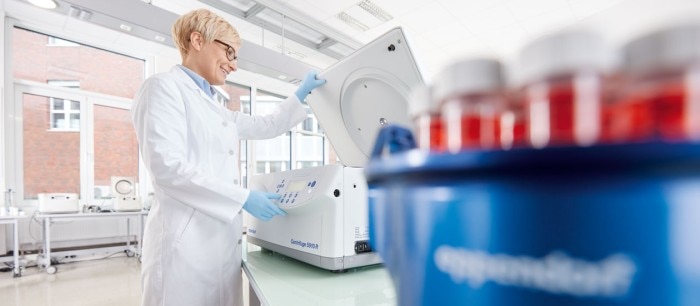
遠心機の時間と回転速度の調整
Lab Academy
- 分子生物学
- 遠心機
- 効率
- 遠心機およびローター
- エッセー
遠心機とローターの相対遠心力(×g)が、例えばプロトコルで要求される値よりも低い場合、どうすればよいでしょうか? 適切な長めの時間、遠心分離を行うことができます。 しかし、遠心機の時間と回転速度はどの程度必要でしょうか? またこれをどのように計算するのでしょうか? 答え: 沈降距離の指標であるk-factorを用いることです。 これにより、粒子が試験管の底に沈殿するのにかかる時間がわかります。
k-factorは、遠心分離システムの最大回転速度におけるペレット化効率を表します。 当社の遠心機製品系列概要をダウンロードして、お使いのエッペンドルフ遠心機の最高速度をご確認いただけます。k-factorは試験管内における沈降距離の指標であり、これはサンプルとローター軸間の最長距離と最短距離の差によって変化します。 沈降距離が短いほど、遠心時間は短くなります。 さらに、ローター内における試験管の角度も沈降距離に影響を与えます。
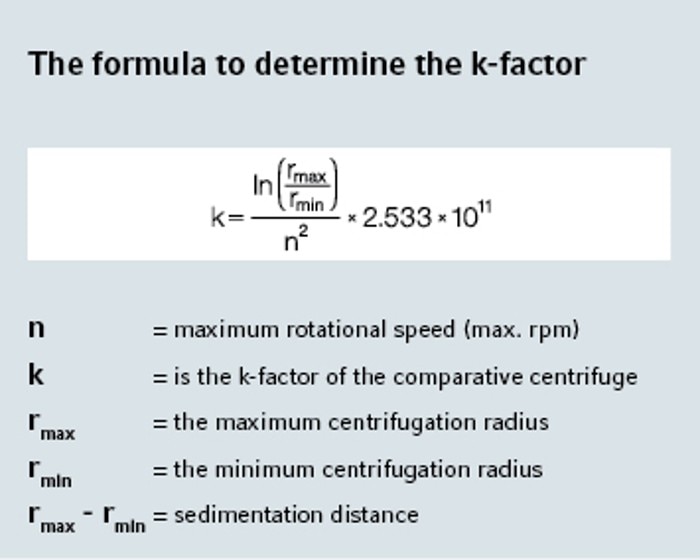
ローターの半径と口の角度、また使用する容器やアダプターの種類は、いずれも沈降距離に影響を与え、したがって必要な遠心時間にも影響します。
k-factorは沈降距離の指標であり、粒子が試験管の底に沈降するまでの所要時間を示します。
k-factorが小さいほど、ペレット化効率は向上します。
k-factorは沈降距離の指標であり、粒子が試験管の底に沈降するまでの所要時間を示します。
k-factorが小さいほど、ペレット化効率は向上します。
もっと読む
k-factorの計算式では、以下のパラメーターを考慮します。
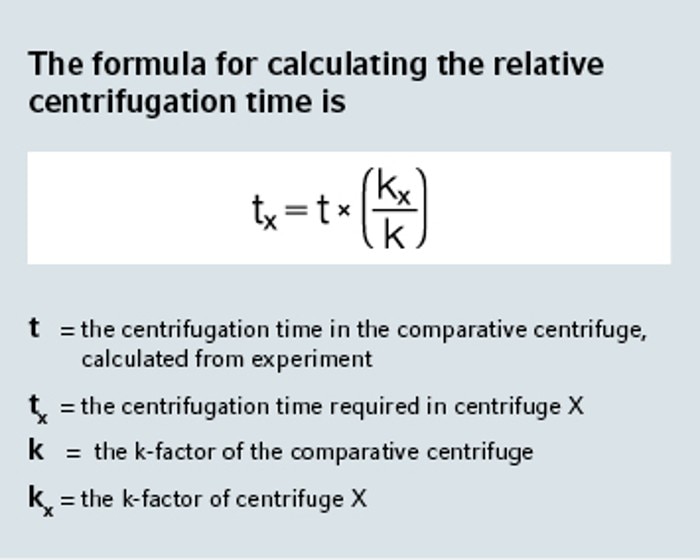
- 最大ローター半径
- 最小ローター半径
- 回転速度
相対遠心力(×g)不足を補って同じ沈降結果を達成するには、両ローターのk-factorと当初使用したローターの遠心時間を基にした計算式を用いて、遠心時間をどれだけ延長すべきかを算出できます。
遠心機の速度と時間の調整が実験の妨げになっていますか? 当社の 計算ツール を使用しても、ローター直径から必要な回転速度と遠心加速度を判断できます。
詳しくは 遠心分離に関する基礎知識 をご覧ください
もっと読む